
In the bustling ecosystem of an aquaponics system, fish swim through clear water while plants stretch toward the light, their roots bathed in nutrient-rich solution. To most observers, this appears to be a simple arrangement—fish provide waste, plants absorb nutrients, water circulates endlessly. But this surface-level understanding misses the most crucial players in the entire operation: billions of microscopic organisms working tirelessly to transform waste into wealth, poison into plant food, and chaos into sustainable productivity.
For small commercial farmers, these beneficial microorganisms represent far more than biological curiosities. They’re the invisible workforce that makes aquaponics economically viable, converting what would be expensive waste disposal problems into valuable plant nutrition. They operate 24 hours a day without wages, benefits, or vacation time, asking only for proper working conditions in return for services that would cost thousands of dollars to replicate artificially.
Yet despite their fundamental importance, these microscopic partners remain largely invisible to many aquaponics operators. Some farmers focus intensively on fish health and plant nutrition while treating microbial management as an afterthought. Others understand that bacteria are important but lack the practical knowledge to monitor, maintain, and optimize their microbial ecosystems effectively. This knowledge gap often determines whether an aquaponics operation thrives or merely survives.
The Microbial Team: Meet Your Microscopic Partners
The beneficial microorganisms in aquaponics systems aren’t a single species working alone—they’re a diverse community of specialists, each performing specific functions that collectively create a self-sustaining nutrient cycle. Understanding who these microorganisms are and what they do is the first step toward managing them effectively.
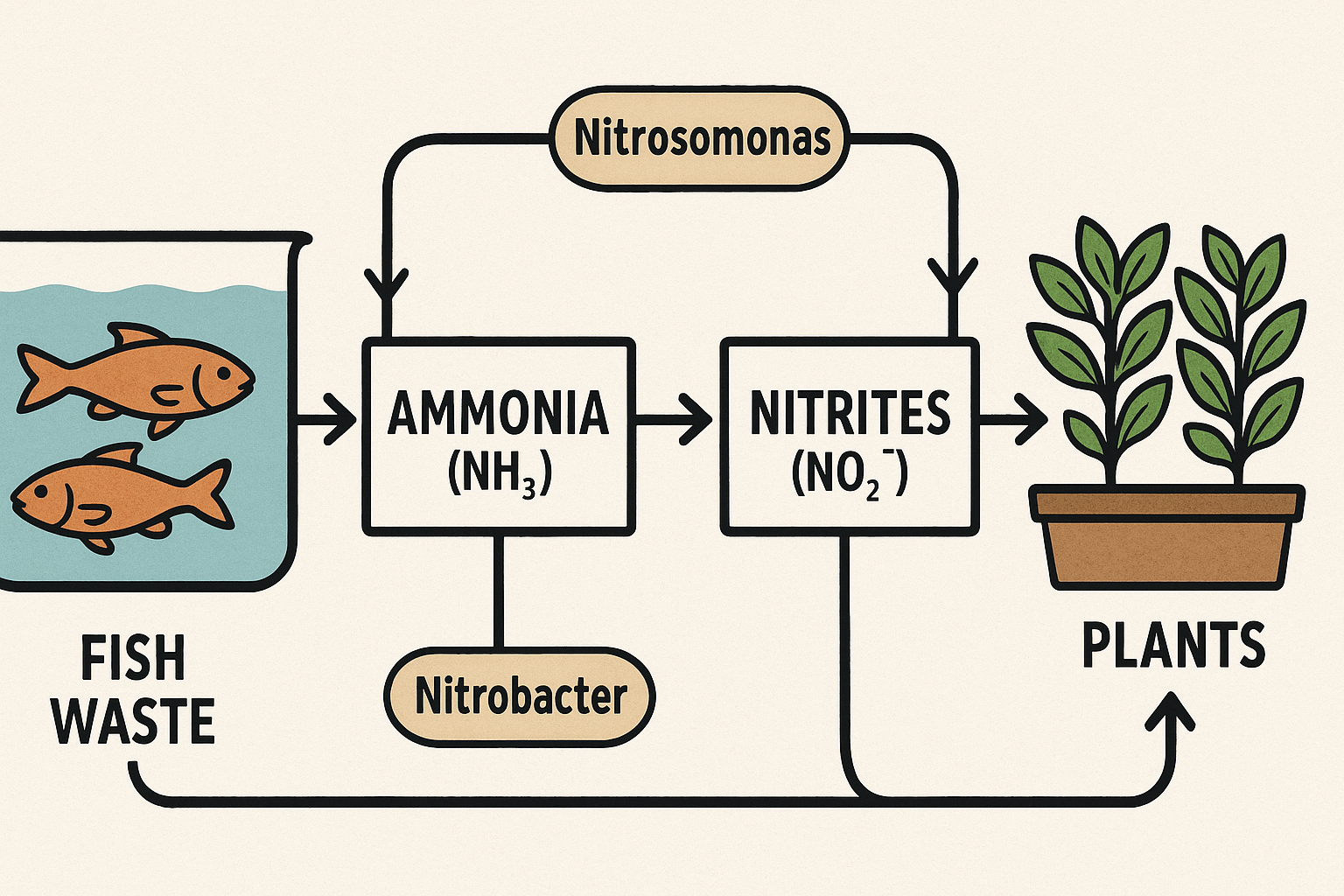
Nitrosomonas species convert toxic ammonia from fish waste into nitrites, serving as the first line of defense against ammonia poisoning in fish tanks. These bacteria are the emergency responders of your aquaponics system, working continuously to prevent the accumulation of compounds that could kill fish within hours. Without adequate Nitrosomonas populations, even a small increase in fish feeding or a temporary disruption in system function can create ammonia spikes that devastate fish populations.
Nitrobacter species complete the nitrification process by converting nitrites into nitrates, transforming what’s still a toxic compound for fish into a form of nitrogen that plants can readily absorb and use for growth. This two-step conversion process—ammonia to nitrite to nitrate—is what makes the entire aquaponics concept possible. Without Nitrobacter bacteria, systems would accumulate toxic nitrites that stress fish while failing to provide adequate plant nutrition.
Heterotrophic bacteria break down organic matter, preventing harmful gas accumulation while maintaining overall water quality. These organisms serve as the cleanup crew, processing uneaten fish food, dead plant material, and other organic debris that could otherwise decompose anaerobically and create toxic conditions. While they don’t directly participate in nitrogen cycling, they’re essential for maintaining the stable water conditions that allow nitrifying bacteria to function effectively.
Together, these microorganisms create a biological processing system that rivals any industrial waste treatment facility in efficiency and reliability. The key difference is that this biological system produces valuable plant nutrients as its end product rather than treated waste for disposal.

The Nitrogen Cycle: Nature’s Most Efficient Recycling Program
The nitrogen cycle in aquaponics represents one of nature’s most elegant solutions to the problem of waste management and resource recycling. Fish naturally excrete ammonia as their primary nitrogenous waste product—a compound that’s highly toxic to aquatic life but contains the nitrogen that plants need for growth. The challenge lies in converting this toxic waste into plant-usable nutrition safely and efficiently.
This is where the sequential work of nitrifying bacteria becomes crucial. Nitrosomonas bacteria grab onto ammonia molecules and convert them to nitrites through a process called oxidation. While nitrites are still toxic to fish, they’re less immediately dangerous than ammonia and represent the first step in the biological conversion process. This conversion also releases energy that the bacteria use for their own growth and reproduction.
Nitrobacter bacteria then take these nitrites and convert them to nitrates—the form of nitrogen that plants can readily absorb through their root systems. Nitrates are relatively non-toxic to fish, making them safe to accumulate in the system while providing consistent plant nutrition. This biological conversion process essentially transforms fish waste from a liability into an asset, creating value from what would otherwise require expensive disposal methods.
The efficiency of this biological system becomes apparent when you consider the economics. In conventional agriculture, nitrogen fertilizers often represent the single largest input cost for many crops. In aquaponics, fish are manufacturing that same nitrogen continuously using nothing but their normal metabolic processes, and bacteria are converting it into plant-usable forms using only the energy they derive from the conversion process itself.
Creating Optimal Conditions for Microbial Success
Like any workforce, beneficial microorganisms perform best when their working conditions are optimized for their specific needs. These conditions aren’t just about keeping microorganisms alive—they’re about creating environments where microbial populations can thrive and work at peak efficiency.
Oxygen availability stands as perhaps the most critical factor for nitrifying bacteria. These organisms are obligate aerobes, meaning they require oxygen to perform their waste conversion functions. Insufficient dissolved oxygen doesn’t just slow the nitrification process—it can shut it down entirely, leading to ammonia accumulation and system failure. Many aquaponics system failures can be traced back to inadequate oxygenation that compromised bacterial function.
Temperature directly affects microbial metabolism and processing efficiency. Warmer water generally increases bacterial activity, speeding up waste conversion, while cooler temperatures slow bacterial function. Most aquaponics systems operate best with water temperatures between 70-80°F, providing good bacterial activity while maintaining suitable conditions for both fish and plants. However, rapid temperature changes can stress bacterial populations and disrupt their function.
pH levels significantly impact bacterial efficiency and the overall chemistry of the nitrogen conversion process. Most nitrifying bacteria prefer slightly alkaline conditions, with optimal function occurring between pH 7.0-8.5. However, plants often prefer slightly acidic conditions for optimal nutrient uptake. Successful aquaponics systems typically operate at compromise pH levels around 6.8-7.2 that adequately support both bacterial function and plant nutrition.
Surface area for bacterial colonization determines how large microbial populations can grow and, consequently, how much waste they can process. Bacteria need physical surfaces to attach to and grow on, and the amount of available surface area directly limits the system’s biological processing capacity. More bacterial habitat means more processing power, which supports higher fish densities and more robust plant nutrition.
The Economics of Microbial Excellence
For small commercial farmers, the economic benefits of optimized microbial management extend far beyond the obvious savings on fertilizer costs. Increased yield through efficient nutrient conversion creates higher revenue potential from the same physical space and infrastructure investment. Plants with access to consistent, biologically-available nutrients typically grow faster, produce higher yields, and often develop better flavor profiles than those grown with synthetic fertilizers.
Reduced operational expenses by minimizing the need for external fertilizers represents direct cost savings that improve profitability. Instead of purchasing expensive nitrogen fertilizers, efficient bacterial cycling converts fish feed into plant nutrients, maximizing the value derived from feed purchases. This efficiency becomes particularly important as feed costs rise and fertilizer prices become more volatile in global markets.
Improved fish and plant health due to maintained water quality reduces losses from disease and mortality while improving the quality of final products. Fish in well-balanced aquaponics systems typically experience less stress and disease than those in conventional aquaculture operations, while plants grown in stable microbial ecosystems often show improved resistance to pests and diseases.
Water efficiency improvements from effective microbial management can represent significant cost savings in areas where water is expensive or scarce. Efficient bacterial processing reduces the need for water changes while maintaining high water quality, conserving both water and the energy required for pumping and heating replacement water.
The reliability of well-managed microbial systems creates more predictable production cycles than many soil-based operations experience. This predictability enables better planning, more efficient labor use, and stronger relationships with customers who value consistent supply and quality.
Establishing and Maintaining Microbial Communities
Building robust microbial communities in new aquaponics systems requires patience, proper technique, and understanding of bacterial growth patterns. The cycling process—during which bacterial populations develop from nearly zero to levels capable of supporting full fish and plant loads—typically takes 4-6 weeks under optimal conditions. During this critical period, the system has limited capacity to process fish waste, making it easy to overwhelm developing bacterial colonies with toxic ammonia levels.
Fishless cycling utilizes bacteria starters to establish microbial communities before introducing fish, reducing initial ammonia spikes and improving system stability. This approach provides more control over the cycling process and eliminates the risk of losing fish during the critical establishment phase. By adding ammonia directly to feed developing bacterial colonies, operators can establish robust microbial populations without the stress and potential mortality associated with traditional fish-based cycling.
Once established, microbial populations require ongoing maintenance and monitoring to maintain their efficiency. These communities are living ecosystems that can be disrupted by changes in water chemistry, temperature fluctuations, chemical contamination, or physical disturbance. Regular monitoring of ammonia, nitrite, and nitrate levels provides insight into microbial performance and early warning of potential problems.
Avoid introducing chemicals that can harm beneficial bacteria. Chlorine and chloramines in municipal water supplies can devastate bacterial populations, requiring careful dechlorination before water enters the system. Similarly, antibiotics used to treat fish diseases can harm beneficial bacteria, creating a difficult balance between fish health and system function that requires careful management.
Biofilters: Optimizing Microbial Habitat
Biofilters enhance bacterial colonization and efficiency in nutrient conversion, serving as specialized habitats where microbial communities can establish and thrive. These systems provide the surface area, water flow, and environmental conditions that bacterial populations need to reach the densities required for efficient waste processing.
The design of biofilters directly affects microbial performance and system capacity. Media choice influences available surface area, water flow patterns, and maintenance requirements. Expanded clay pebbles, bio balls, lava rock, and specialized plastic media each offer different advantages for bacterial colonization, with the key being provision of three-dimensional surfaces that maximize bacterial habitat while allowing adequate water flow.
Water flow through biofilters must be carefully balanced. Too little flow starves bacteria of fresh ammonia and oxygen, reducing processing efficiency. Too much flow can wash bacterial colonies off their attachment surfaces or create turbulence that disrupts the biofilms where bacteria live and work. Most efficient biofilter designs provide steady, gentle flow that delivers nutrients and oxygen while allowing bacteria to maintain their colonies.
Regular biofilter maintenance prevents clogging that can reduce bacterial habitat and create anaerobic zones where harmful bacteria might flourish. However, maintenance must be gentle enough to preserve established bacterial colonies. Aggressive cleaning can set back bacterial populations by weeks, requiring re-establishment of microbial communities that may not reach full efficiency for a month or more.
Troubleshooting Microbial Problems
Recognizing and addressing microbial imbalances quickly is crucial for maintaining system health and preventing cascading failures that can destroy fish and plant crops. Sudden increases in ammonia or nitrite levels often indicate bacterial population crashes or insufficient bacterial capacity for the current system bioload. These problems can escalate rapidly, requiring immediate intervention to prevent fish mortality and system collapse.
Common causes of bacterial problems include oxygen depletion, pH swings, temperature extremes, chemical contamination, or physical disruption of bacterial colonies. Identifying and addressing root causes proves more effective than simply treating symptoms, though emergency measures may be necessary to stabilize the system while corrections are implemented.
Bacterial recovery after population crashes can take several weeks, during which system capacity remains severely reduced. Some operators maintain emergency bacterial cultures or commercial bacterial supplements to speed recovery, though prevention through proper system management always proves preferable to treatment after problems develop.
Detailed record-keeping helps identify patterns that precede bacterial problems, enabling proactive management rather than reactive crisis response. Many commercial operators develop early warning systems based on subtle changes in water chemistry that indicate stressed bacterial populations before serious problems develop.
Advanced Microbial Management Strategies
Some commercial operations experiment with specialized bacterial strains or biological additives that enhance specific aspects of microbial function. Probiotic bacteria can improve fish digestive health and waste quality, while specialized nitrifying bacteria might improve processing efficiency under specific environmental conditions.
Multi-stage biofilter systems allow optimization of conditions for different bacterial types, with separate zones for ammonia processing, nitrite conversion, and organic matter breakdown. These systems can achieve higher processing efficiency but require more sophisticated management and monitoring.
Microbial seeding from established systems can accelerate new system startup or help recover systems after bacterial population crashes. Maintaining cultures of beneficial bacteria or establishing relationships with other operators for bacterial sharing provides insurance against system failures.
Automated monitoring systems can track water quality parameters continuously, alerting operators to changes that might indicate bacterial stress before serious problems develop. While these systems require initial investment, they can prevent costly system failures and reduce labor requirements for routine monitoring.
Seasonal Considerations for Microbial Management
Microbial activity changes significantly with seasons, particularly in systems exposed to temperature variations. Cold weather slows bacterial metabolism, reducing processing capacity just when reduced plant growth might seem to indicate lower nutrient demand. However, fish in cold water often continue producing waste while eating less, potentially creating imbalances that require careful management.
Summer heat can accelerate bacterial activity but also increases oxygen demand while reducing oxygen solubility in water. Hot weather often requires additional aeration to maintain adequate dissolved oxygen levels for efficient bacterial function. Some operations use cooling systems or thermal mass to moderate temperature swings that stress bacterial populations.
Seasonal feeding adjustments affect bacterial workload and may require corresponding changes to bacterial management. Reduced feeding in winter means less bacterial activity needed, while increased feeding in summer requires robust bacterial populations to handle higher waste loads.
Long-term microbial management involves understanding how bacterial communities evolve and mature in established systems. Young systems often have relatively simple bacterial populations, while mature systems develop more complex microbial ecosystems that may be more stable but different in their processing characteristics.
Building Your Microbial Management System
Successful microbial management begins with understanding that these organisms are essential partners in your aquaponics operation rather than invisible components that function automatically. They require attention, proper conditions, and management decisions that prioritize their health alongside fish and plant welfare.
Develop systematic monitoring routines that track microbial performance through regular water quality testing. Simple tests for ammonia, nitrites, and nitrates provide immediate feedback on bacterial function, while more detailed analysis can assess system capacity and efficiency trends over time.
Invest in adequate biofilter capacity from the beginning rather than trying to add capacity after problems develop. Designing systems with excess bacterial habitat provides safety margins that support system stability and allow for production expansion without major infrastructure changes.
Maintain detailed records of system performance, management interventions, and microbial health indicators. This data becomes invaluable for understanding system patterns, predicting problems, and optimizing management practices based on experience rather than trial-and-error approaches.
Connect with other aquaponics practitioners through online communities, local groups, or commercial networks. The complexity of microbial management means that collective knowledge and shared experiences can accelerate learning and help avoid common mistakes that can set back operations by weeks or months.
Your microbial workforce operates continuously, converting waste into wealth with remarkable efficiency and reliability. In return, they require proper working conditions, adequate habitat, and management practices that support their essential functions. Master the art of microbial management, and you’ll have established the foundation for an aquaponics operation that’s both environmentally sustainable and economically profitable—a system where invisible microorganisms create visible success.