Your lettuce leaves are turning yellow again. The tomatoes that should be thriving are stunted and pale. Your fish seem healthy enough, but somehow the plants just aren’t performing like they should. If this sounds familiar, you’re facing one of aquaponics’ most insidious challenges: nutrient deficiencies that silently erode your profits one harvest at a time.
Unlike soil-based farming where you can simply add fertilizer, aquaponics operates as a delicate biological balance where every component affects every other component. When that balance tips, the symptoms might appear in your plants, but the root cause often lies in the complex interplay between fish waste, bacterial conversion, water chemistry, and plant uptake.
For small commercial farmers, these deficiencies represent more than just disappointing harvests. They translate directly into reduced revenue, longer crop cycles, and the frustrating reality of watching your investment underperform month after month. But here’s what successful aquaponics farmers understand: nutrient deficiencies are predictable, identifiable, and most importantly, preventable.
Six key nutrients account for the majority of problems in commercial aquaponics systems. Each has its own signature symptoms, its own underlying causes, and its own prevention strategy. More critically, each represents a different type of threat to your operation’s profitability.
The Foundation Problem: Nitrogen Deficiency
Nitrogen deficiency hits aquaponics systems like a slow-motion disaster. The symptoms start subtly with yellowing of older leaves and gradually progress to stunted growth that can cut your harvest by 30% or more before you even realize what’s happening.
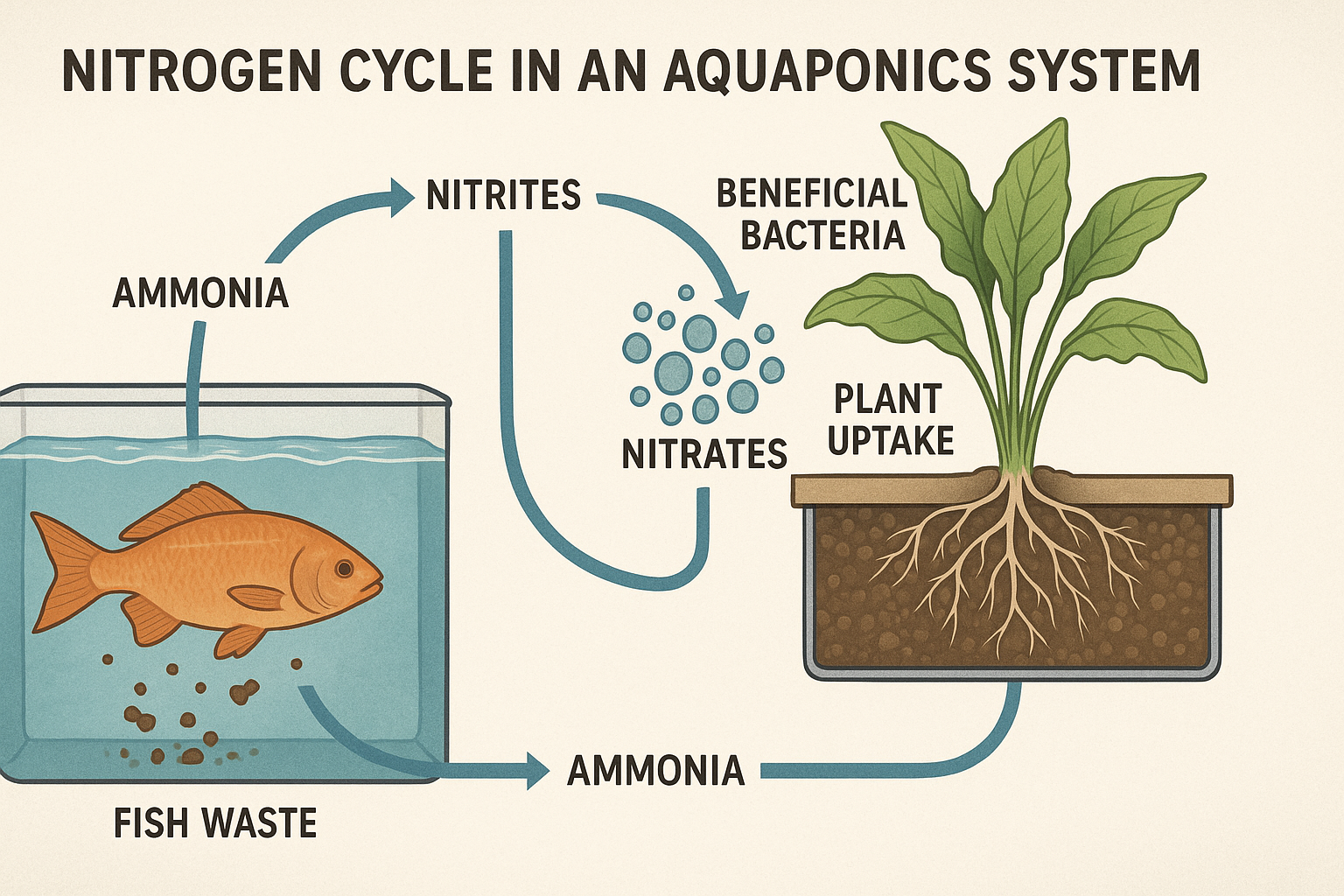
In a properly functioning aquaponics system, fish waste provides ammonia, beneficial bacteria convert that ammonia to nitrites and then nitrates, and plants absorb those nitrates as their primary nitrogen source. When this cycle breaks down at any point, nitrogen deficiency follows inevitably.
The causes are often more complex than they first appear. Inadequate fish stocking, insufficient fish feed, and poor nitrification all contribute to nitrogen shortfalls, but so do factors that might not be immediately obvious. Temperature fluctuations can disrupt bacterial populations, pH swings can inhibit bacterial activity, and even changing your fish feed brand can alter the nitrogen input to your system.
What makes nitrogen deficiency particularly dangerous for commercial operations is how it compounds over time. Plants struggling with nitrogen deficiency grow more slowly, which means longer crop cycles and reduced turnover. They’re also more susceptible to other stresses, creating a cascade of problems that can take weeks to fully resolve.
Prevention centers on maintaining stable bacterial populations through consistent system management. Proper system cycling, stable bacterial populations, and high-quality fish feed form the foundation of nitrogen management. This means monitoring ammonia and nitrite levels, maintaining consistent water temperatures, and feeding your fish high-quality feeds that provide reliable nitrogen input.
The fish-to-plant ratio deserves special attention because it determines the baseline nitrogen production of your system. Too few fish relative to plant biomass, and you’ll face chronic nitrogen shortages. Too many fish, and you’ll deal with water quality issues that can be even more problematic.
Proper nutrient management requires understanding the nitrogen cycle dynamics unique to your system. Factors like water temperature, pH, bacterial health, and even seasonal changes affect nitrogen availability. Successful farmers monitor these parameters consistently and adjust their management accordingly.
The Silent Saboteur: Phosphorus Deficiency
Phosphorus deficiency operates like a stealth attack on your aquaponics system. Unlike nitrogen deficiency with its obvious yellowing symptoms, phosphorus problems often manifest as stunted growth and dark or purplish leaves that can be mistaken for other issues until significant damage occurs.
Phosphorus plays a crucial role in plant energy transfer and root development, which means deficient plants not only grow slowly but also develop poorly formed root systems that further compromise their ability to absorb other nutrients. The result is a downward spiral that can devastate crop performance.
The chemistry of phosphorus in aquaponics systems presents unique challenges. Low levels in fish feed and chemical precipitation at higher pH levels create conditions where phosphorus might be present in the system but unavailable to plants. This means you can’t simply increase fish feeding to solve phosphorus problems—you need to address availability as well as supply.
Phosphorus precipitation becomes particularly problematic in hard water areas or systems where pH drifts higher than optimal. At pH levels above 7.5, phosphorus begins binding with calcium and other minerals, effectively removing it from plant availability. This creates situations where your water tests might show adequate phosphorus levels, but your plants display clear deficiency symptoms.
The economic impact goes beyond reduced yields. Phosphorus-deficient plants often exhibit poor fruit and flower development, which directly affects marketable harvest in crops like tomatoes, peppers, and strawberries. In leafy greens, phosphorus deficiency can reduce the shelf life and visual appeal of harvested produce.
Prevention requires a two-pronged approach: ensuring adequate supply and maintaining optimal availability. Monitoring and supplementing phosphorus while maintaining appropriate pH addresses both aspects of the problem. This might involve selecting fish feeds with higher phosphorus content or supplementing with approved organic phosphorus sources.
Regular testing becomes critical because phosphorus problems often develop gradually. By the time plant symptoms become obvious, the deficiency has already impacted weeks of growth. Early detection through water testing allows for intervention before crop damage occurs.
The Edge Burner: Potassium Deficiency
Potassium deficiency announces itself dramatically with yellowing or browning at leaf edges and weak stems that make plants look like they’ve been scorched along their margins. But the visible symptoms represent only part of the damage potassium deficiency inflicts on your crops.
Potassium regulates water uptake and helps plants maintain proper turgor pressure, which affects everything from growth rates to disease resistance. Plants struggling with potassium deficiency become more susceptible to stress from temperature changes, water fluctuations, and pathogen attacks. They also exhibit reduced fruit quality and shorter storage life—factors that directly impact marketability.
In aquaponics systems, potassium deficiency often results from lack of supply through fish waste or feed. Unlike nitrogen and phosphorus, which are abundant in fish waste, potassium levels depend heavily on the mineral content of fish feed. Many commercial fish feeds are formulated primarily for fish growth rather than plant nutrition, leading to potassium shortfalls in plant production.
The problem becomes more pronounced with fruiting crops like tomatoes, peppers, and cucumbers, which have high potassium demands, particularly during fruit development. A system that maintains adequate potassium for leafy greens might fall short when supporting heavy fruiting crops, leading to reduced yields and quality problems.
Seasonal variations can exacerbate potassium deficiency. Higher temperatures increase plant potassium demands while potentially reducing fish feeding if temperatures stress the fish. This creates a summer bottleneck where potassium demand peaks just as supply may be declining.
Supplementing potassium and ensuring balanced fish-to-plant ratios form the foundation of prevention strategies. Potassium supplements specifically approved for organic production can be added directly to the system, though careful monitoring prevents over-application that might disrupt other nutrient balances.
The fish-to-plant ratio becomes particularly important for potassium management because the demand varies so significantly between crop types. Systems designed for leafy greens might require potassium supplementation when transitioning to fruiting crops, while systems optimized for tomatoes might have excess potassium when growing lettuce.
The Structure Weakener: Calcium Deficiency
Calcium deficiency creates some of the most structurally devastating problems in aquaponics systems. Poor plant structure and leaf curling represent the visible symptoms, but calcium deficiency also causes internal fruit disorders like blossom end rot in tomatoes and tip burn in lettuce that can destroy entire harvests.
Calcium serves as the backbone of plant cell walls, providing structural integrity that affects everything from stem strength to fruit quality. Plants deficient in calcium develop weak, brittle tissues that collapse under their own weight or minor stresses. In commercial operations, this translates to reduced marketable yields and shorter post-harvest life.
The causes of calcium deficiency in aquaponics systems often involve nutrient interactions rather than simple calcium shortage. Insufficient supply combined with excess magnesium or potassium can create conditions where calcium is present but unavailable for plant uptake. High potassium levels, in particular, can interfere with calcium absorption, creating deficiency symptoms even when calcium tests show adequate levels.
Environmental factors also play a crucial role in calcium uptake. Calcium moves through plants primarily in the transpiration stream, which means factors affecting water movement impact calcium availability. Poor air circulation, high humidity, or inconsistent watering can all contribute to calcium deficiency symptoms, particularly in rapidly growing plants.
In fruiting crops, calcium deficiency often appears as localized disorders rather than general plant symptoms. Blossom end rot in tomatoes, bitter pit in apples, and tip burn in lettuce all result from inadequate calcium supply to rapidly developing tissues. These disorders can affect individual fruits or leaves while the rest of the plant appears healthy.
Prevention requires attention to both nutrient supply and environmental factors. Adding calcium supplements and improving air circulation address different aspects of calcium availability. Calcium supplementation might involve adding calcium carbonate to raise pH and provide calcium, or using foliar calcium applications during periods of high demand.
Air circulation deserves particular attention because it directly affects transpiration rates and calcium movement within plants. Inadequate air movement can create calcium deficiency symptoms even in systems with adequate calcium supply. This is particularly important in greenhouse operations where air circulation might be limited.
The Growth Stunter: Magnesium Deficiency
Magnesium deficiency presents one of the most distinctive symptom patterns in aquaponics: interveinal chlorosis where leaf veins remain green while the tissue between them turns yellow. This creates a characteristic striped appearance that’s often mistaken for iron deficiency but represents a different underlying problem.
Magnesium sits at the center of chlorophyll molecules, making it essential for photosynthesis. Plants deficient in magnesium literally lose their ability to capture light energy efficiently, leading to reduced growth rates and poor overall performance. The economic impact compounds over time as deficient plants require longer crop cycles and produce lower-quality harvests.
In aquaponics systems, magnesium deficiency often develops gradually as the system matures. Unlike nitrogen or potassium, which are readily supplied through fish waste, magnesium depends largely on water source and pH management. Soft water areas or systems using reverse osmosis water may lack adequate magnesium, while systems with very hard water might have adequate magnesium but poor availability due to chemical interactions.
The relationship between magnesium and other nutrients creates additional complexity. Excess potassium can interfere with magnesium uptake, while calcium deficiency can be exacerbated by high magnesium levels. This means magnesium management requires understanding nutrient ratios rather than simply ensuring adequate supply.
Prevention involves both water source management and targeted supplementation. Systems using soft water or RO water may require regular magnesium additions, while systems with hard water might need pH management to improve magnesium availability. Epsom salt (magnesium sulfate) provides a readily available magnesium source that’s compatible with organic production standards.
Monitoring becomes particularly important for magnesium because deficiency symptoms can be subtle initially. By the time the characteristic interveinal chlorosis becomes obvious, weeks of reduced photosynthetic efficiency have already occurred. Regular tissue testing or water analysis can catch magnesium problems before they significantly impact crop performance.
The Chlorophyll Killer: Iron Deficiency
Iron deficiency creates some of the most dramatic visual symptoms in aquaponics systems. Interveinal chlorosis and stunted growth develop rapidly, often turning entire leaves yellow while leaving only the finest veins green. New growth is typically affected first, creating a pattern where the top of the plant appears severely stressed while older growth remains relatively healthy.
Iron serves as a catalyst in chlorophyll production and plays crucial roles in plant enzyme systems. Without adequate iron, plants literally cannot maintain their green color or carry out essential metabolic processes. The result is rapid decline in plant performance that can progress from minor chlorosis to complete plant collapse within days.
The chemistry of iron in aquaponics systems presents unique challenges. Low solubility at higher pH levels and insufficient supply combine to create conditions where iron might be present but unavailable to plants. At pH levels above 7.0, iron rapidly precipitates out of solution, becoming unavailable for plant uptake even when adequate iron is present in the system.
This pH relationship makes iron deficiency particularly problematic in mature aquaponics systems where pH tends to drift upward over time. Systems that start with adequate iron availability may develop deficiency symptoms as pH rises, creating a moving target for iron management.
The speed at which iron deficiency develops makes it particularly dangerous for commercial operations. Unlike other nutrient deficiencies that develop gradually, iron deficiency can progress from minor symptoms to severe plant stress within a week. New transplants are particularly vulnerable, often showing symptoms within days of planting if iron levels are inadequate.
Using chelated iron supplements and maintaining moderate pH provides the most reliable prevention strategy. Chelated iron remains available to plants across a wider pH range, reducing the impact of pH fluctuations on iron availability. However, chelated iron supplements are more expensive than simple iron sources, requiring economic evaluation for commercial operations.
pH management becomes critical for iron availability. Maintaining system pH between 6.0 and 7.0 maximizes iron solubility while keeping it within acceptable ranges for fish health. This might require regular pH monitoring and adjustment, particularly in systems with natural pH drift tendencies.
The Economic Impact: Why Prevention Pays
Across all nutrient deficiencies, the economic pattern remains consistent: prevention costs are minimal compared to production losses. Whether it’s maintaining proper fish-to-plant ratios, supplementing deficient nutrients, or monitoring water chemistry, the prevention investment pays for itself many times over through improved yields and crop quality.
The hidden costs of nutrient deficiencies often exceed the obvious ones. Stunted growth means longer crop cycles, reducing annual turnover and cash flow. Poor plant health increases susceptibility to diseases and pests, potentially triggering additional treatment costs. Reduced crop quality affects marketability and pricing, cutting profit margins even on harvested products.
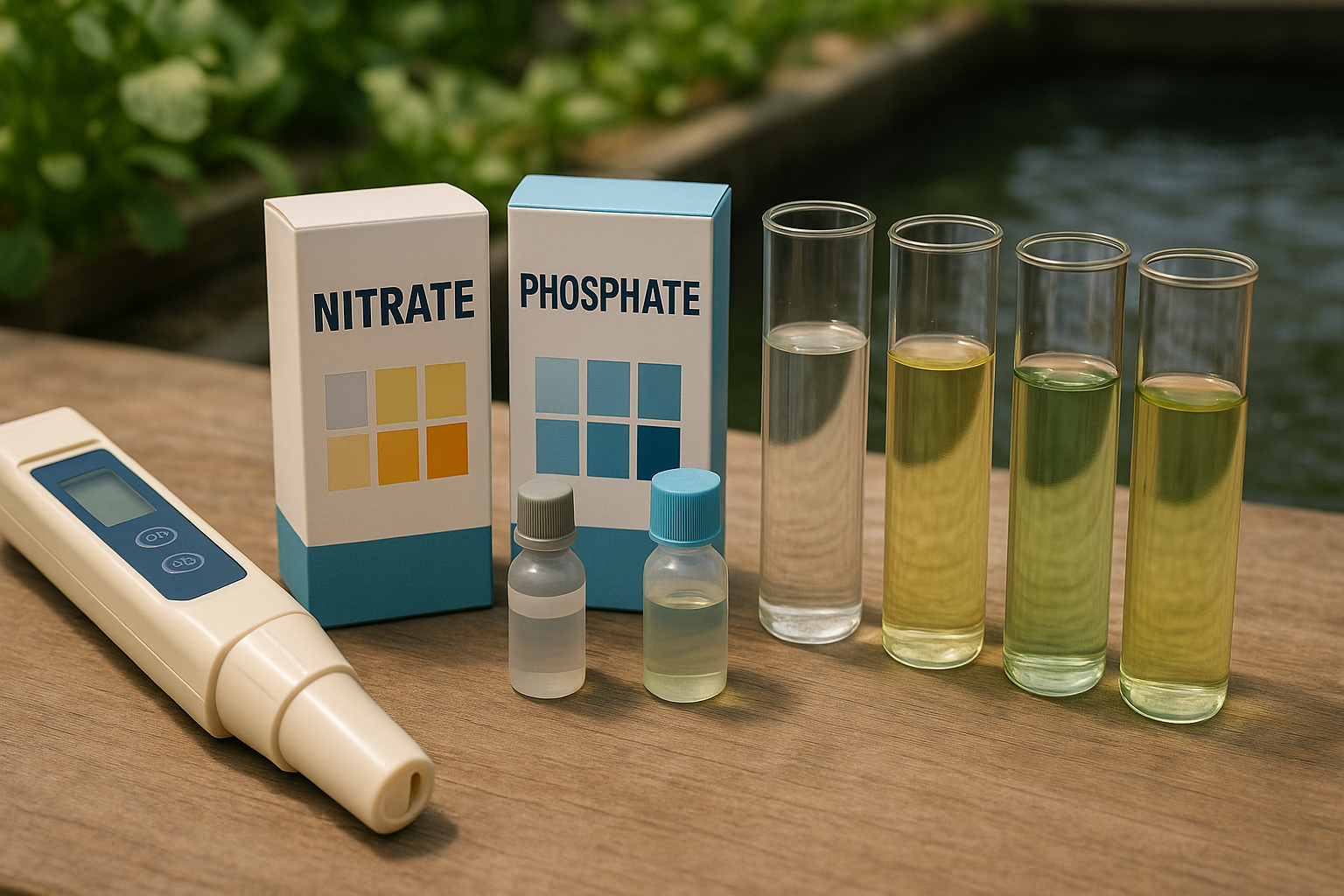
Modern monitoring systems have transformed nutrient management from reactive problem-solving to proactive optimization. Regular monitoring of key nutrients and pH allows farmers to spot developing problems before they impact crop performance. When integrated with mobile alerts and automated logging, these systems provide the early warning that separates successful operations from struggling ones.
The key insight for commercial farmers is that nutrient deficiencies represent system inefficiencies rather than inevitable problems. Balanced fish-to-plant ratios, appropriate supplementation, and environmental controls create conditions where deficiencies become rare exceptions rather than regular challenges.
Successful aquaponics operations share common characteristics in their approach to nutrient management. They monitor consistently, supplement strategically, and maintain system balance through careful attention to ratios and environmental factors. Most importantly, they view nutrient management as an investment in profitability rather than an operational expense.
Understanding the six major nutrient deficiencies—nitrogen, phosphorus, potassium, calcium, magnesium, and iron—provides the foundation for profitable aquaponics production. Each represents both a potential threat and a manageable challenge when approached with proper knowledge and tools. The farmers who succeed long-term are those who master these nutritional fundamentals early and maintain them consistently throughout their operations.
FarmHub tracks your water chemistry, logs every reading, and alerts your team when nutrient levels drift. One dashboard for your entire operation. Start free →