
Your customers trust that the lettuce, tomatoes, and herbs coming from your aquaponics operation are not only fresh and flavorful, but safe to eat. Yet beneath the surface of every aquaponics system lies a complex biological process that, if not properly managed, can transform your profitable operation into a food safety nightmare that destroys your reputation and threatens your livelihood.
Food safety in aquaponics isn’t just about following basic hygiene practices—though those matter. It’s about understanding and managing a living ecosystem where fish waste becomes plant nutrition through microbial processes that can either create the cleanest growing environment possible or harbor dangerous pathogens that contaminate your entire harvest.
For small commercial farmers, the stakes couldn’t be higher. A single food safety incident can trigger regulatory investigations, product recalls, and liability issues that can bankrupt small operations. Meanwhile, the farmers who master aquaponics food safety don’t just avoid disasters—they create competitive advantages through superior product quality and the ability to access premium markets that demand the highest safety standards.
The complexity of aquaponics food safety lies in managing multiple biological systems simultaneously. Fish health affects water quality. Water quality affects plant health. Microbial balance affects both fish and plants while determining whether beneficial bacteria or dangerous pathogens dominate your system. Understanding these interconnections is essential for creating food safety protocols that work in real-world farming operations.
The Foundation: Understanding Nutrient Cycling and Its Safety Implications
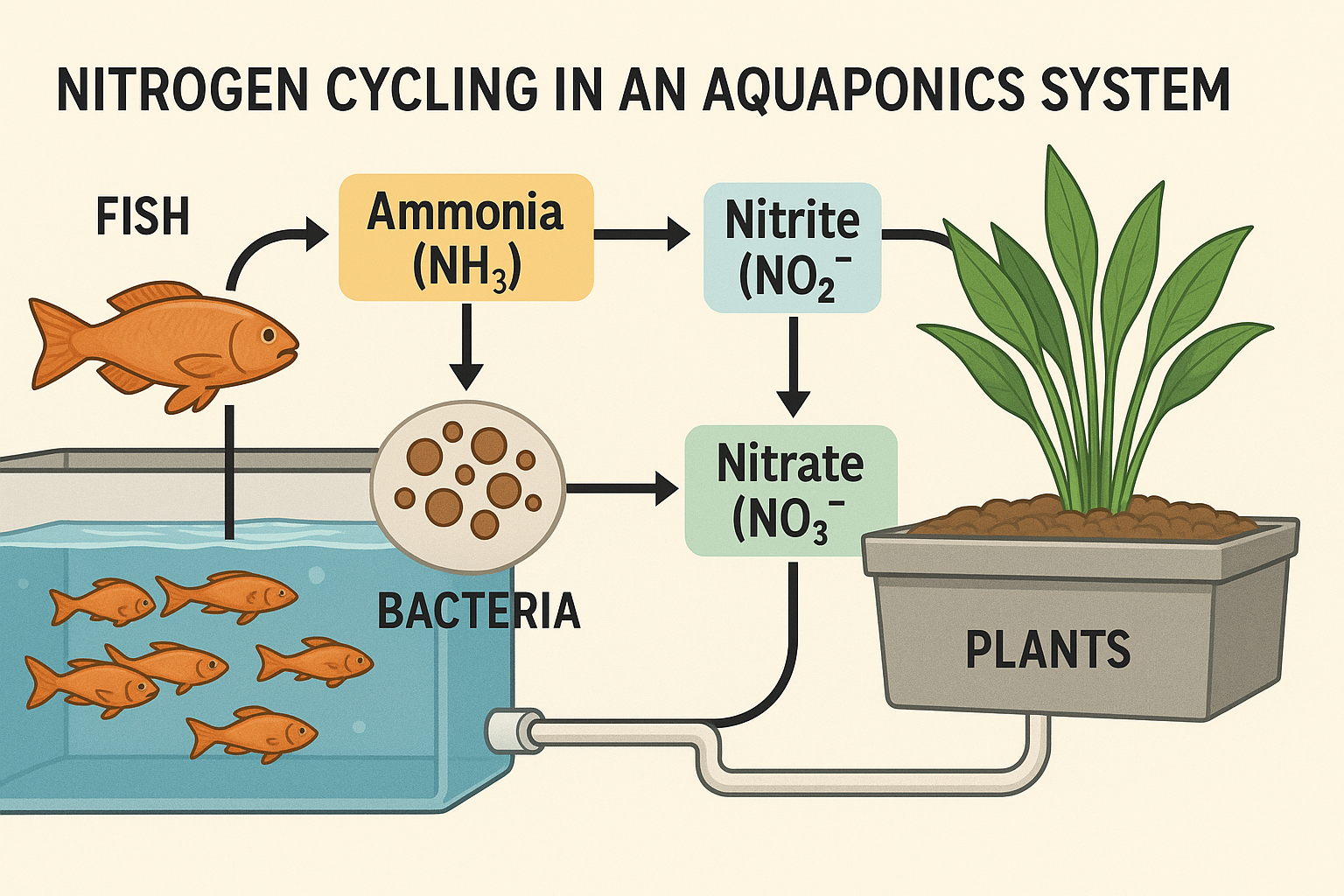
At the heart of every aquaponics system lies a nutrient cycling process that determines not only plant nutrition but also food safety outcomes. Fish produce ammonia, which is converted into nitrate by bacteria, serving as a nutrient for plants. This biological conversion process creates opportunities for both beneficial microbial activity and dangerous pathogen growth, depending on how it’s managed.
The ammonia-to-nitrate conversion happens in two critical steps, each with distinct food safety implications. Ammonia is transformed into nitrites and then nitrates, which plants absorb. During this process, beneficial bacteria colonies establish dominance over the biological surfaces in your system. When these beneficial bacteria thrive, they create conditions that inhibit pathogen growth through competitive exclusion and pH modification.
However, when this process breaks down or becomes unbalanced, dangerous conditions develop rapidly. Incomplete ammonia conversion creates toxic conditions for fish and plants while providing ideal conditions for pathogenic bacteria that can contaminate both fish and plant products. High ammonia levels stress fish immune systems, making them more susceptible to diseases that can transfer to plant products through water circulation.
Nitrite accumulation during incomplete nitrogen cycling poses both direct toxicity risks and food safety concerns. Elevated nitrite levels indicate bacterial imbalances that often coincide with pathogen proliferation. Maintaining ammonia and nitrite levels at or below 0.25 ppm serves as both a plant nutrition goal and a critical food safety control point.
The final step of nitrogen cycling—nitrate production—directly affects food safety in harvested crops. While plants readily absorb nitrates for growth, excessive nitrate accumulation in plant tissues can create health concerns for consumers, particularly in leafy greens where nitrate-to-nitrite conversion during storage can produce compounds of concern.
Managing nitrate levels below 140 ppm balances plant nutrition needs with food safety requirements. This management requires understanding both the nutrient demands of your crops and the nitrate production capacity of your fish population.
Oxygen levels throughout the system determine whether beneficial aerobic bacteria dominate the nitrogen cycling process or whether anaerobic conditions allow pathogenic bacteria to establish. Adequate dissolved oxygen supports complete nitrogen cycling while creating conditions that suppress most food-borne pathogens. Insufficient oxygenation leads to incomplete nitrogen conversion and creates ideal conditions for dangerous bacterial growth.
The biological surfaces where nitrogen cycling occurs—biofilter media, plant root zones, and tank surfaces—serve as the primary control points for managing both nutrient cycling and food safety. These surfaces must provide adequate area for beneficial bacteria establishment while remaining accessible for cleaning and maintenance when necessary.
Plant Uptake Mechanisms: Where Nutrients Meet Food Safety
Plants in aquaponics systems don’t simply absorb nutrients—they actively participate in water purification processes that determine overall system safety. Understanding how plants uptake and process fish-derived nutrients helps farmers optimize both plant health and food safety outcomes.
Root zone activity in aquaponics systems creates unique food safety considerations not found in soil-based agriculture or pure hydroponics. Plant roots in aquaponics systems are constantly exposed to water containing fish waste products, beneficial bacteria, and potentially harmful microorganisms. The root zone becomes a critical interface where nutrient uptake and pathogen exclusion must be managed simultaneously.
Beneficial bacteria colonies that develop around plant roots serve dual purposes in aquaponics systems. These bacteria complete the final stages of nitrogen cycling while creating competitive pressure against pathogenic bacteria that might otherwise colonize root surfaces. Healthy root zones with active beneficial bacterial populations generally produce safer plants than systems with sterile or imbalanced root environments.
Plant selection affects food safety outcomes through differences in nutrient uptake patterns and root zone characteristics. Leafy greens with extensive root systems provide more biological surface area for beneficial bacteria establishment, potentially improving system-wide pathogen control. However, these same extensive root systems create more opportunities for pathogen attachment if bacterial balance becomes disrupted.
Fruiting plants like tomatoes and peppers uptake nutrients differently than leafy greens, affecting both plant safety and water quality. These plants typically uptake higher levels of certain nutrients during fruiting periods, which can help maintain water quality balance but also creates periods where uptake patterns change rapidly, potentially disrupting established bacterial balances.
Nutrient uptake efficiency directly relates to food safety through its effects on water quality. Plants that efficiently absorb available nutrients help maintain water quality parameters that suppress pathogen growth. Conversely, poor nutrient uptake leads to nutrient accumulation in water, creating conditions favorable for pathogenic bacterial growth.
Environmental factors affecting plant uptake—temperature, light, humidity—also affect food safety outcomes. Stress conditions that reduce plant uptake efficiency lead to nutrient accumulation and potential pathogen proliferation. Managing these environmental factors becomes a food safety priority as well as a production optimization strategy.
The timing of harvest relative to plant uptake patterns affects food safety in subtle but important ways. Plants harvested during periods of high nutrient uptake may have different internal nutrient profiles than those harvested during slower uptake periods. Understanding these patterns helps farmers optimize harvest timing for both nutritional quality and safety considerations.
Identifying and Managing Human Consumption Risks
The path from fish waste to dinner plate involves multiple opportunities for contamination, each requiring specific management strategies to ensure consumer safety. Understanding these risk points allows farmers to implement targeted control measures that prevent problems rather than reacting to contamination after it occurs.
Pathogenic bacteria can enter aquaponics systems through multiple routes, with contaminated feed representing one of the most significant risks. Regular water testing and proper feed storage are crucial to prevent contamination. Fish feeds containing animal products or grown in contaminated conditions can introduce Salmonella, E. coli, and other dangerous pathogens directly into system water.
Feed storage practices directly impact food safety outcomes throughout the entire production cycle. Improperly stored feeds provide breeding grounds for pathogens that multiply before entering the aquaponics system. Once in the system, these pathogens can establish in biofilms, root zones, or plant surfaces where they become extremely difficult to eliminate without disrupting the entire biological balance.
Water source contamination represents another critical risk point that requires ongoing management attention. Surface water sources, wells affected by agricultural runoff, and municipal water supplies with treatment disruptions can all introduce pathogens into aquaponics systems. Understanding your water source risks and implementing appropriate treatment measures prevents contamination from entering your system.
Cross-contamination during system maintenance and harvesting activities can spread pathogens from contaminated areas to clean areas within the same system or between different systems. Tools, hands, containers, and even footwear can transfer pathogens between fish tanks, growing beds, and harvested products if proper sanitation protocols aren’t followed consistently.
Animal intrusion—birds, rodents, pets, and wild animals—can introduce pathogens through direct contact with water or plants, or through fecal contamination of system components. Protecting aquaponics systems from animal access requires both physical barriers and ongoing monitoring for signs of intrusion.
Human handling represents the final critical control point before products reach consumers. Harvesting, washing, packing, and storage practices all affect the pathogen load of finished products. Poor sanitation during these final steps can contaminate otherwise safe products or allow existing pathogens to multiply to dangerous levels.
Temperature management throughout the production and post-harvest process affects pathogen growth rates and survival. Understanding the temperature sensitivity of major food-borne pathogens helps farmers maintain conditions that suppress pathogen growth while supporting plant and fish health.
The cumulative effect of multiple small contamination sources can create significant food safety risks even when individual sources seem minor. Managing food safety in aquaponics requires attention to all potential contamination sources rather than focusing only on obvious risks.
Water Quality: The Foundation of Safe Food Production
Water quality management in aquaponics extends far beyond supporting plant and fish health—it serves as the primary defense against food-borne pathogens and the foundation of all food safety protocols. Understanding the relationship between water quality parameters and food safety outcomes helps farmers prioritize monitoring and management efforts.
District-quality parameters serve as early indicators of conditions that favor pathogen growth. Regular monitoring and filtration are necessary to maintain water quality and prevent bacterial growth. Changes in pH, dissolved oxygen, temperature, or nutrient levels often precede pathogen proliferation by days or weeks, providing opportunities for preventive intervention.
pH management affects food safety through multiple pathways. Most food-borne pathogens prefer neutral to slightly alkaline conditions, while the slightly acidic conditions optimal for plant nutrient uptake tend to suppress pathogen growth. Maintaining stable pH within the optimal range for plant growth provides secondary benefits for pathogen control.
Disissolved oxygen levels determine whether beneficial aerobic bacteria or potentially harmful anaerobic bacteria dominate system biology. Adequate oxygen levels support complete nitrogen cycling and create conditions unfavorable for most food-borne pathogens. Oxygen depletion creates ideal conditions for anaerobic pathogens and produces toxic metabolites that stress both fish and plants.
Temperature affects both beneficial and pathogenic bacterial growth rates, but the optimal temperatures for aquaponics system biology often overlap with favorable conditions for some pathogens. Managing temperature involves balancing system productivity with pathogen suppression, often requiring seasonal adjustments to maintain safety margins.
Nutrient accumulation beyond plant uptake capacity creates feeding opportunities for pathogenic bacteria while indicating system imbalances that may compromise food safety. Regular monitoring of nitrogen, phosphorus, and potassium levels helps maintain balance between nutrient supply and plant demand while preventing conditions that favor pathogen growth.
Turbidity and suspended solids provide attachment sites for pathogenic bacteria and interfere with water treatment technologies like UV sterilization. Maintaining clear water through proper filtration and system design improves both food safety outcomes and system efficiency.
Water circulation and flow patterns affect pathogen distribution and concentration throughout the system. Dead zones with poor circulation become pathogen reservoirs that can contaminate the entire system. Proper hydraulic design ensures adequate water movement while avoiding areas where pathogens can accumulate.
Filtration systems designed for food safety must balance pathogen removal with preservation of beneficial bacteria essential for system function. Mechanical filtration removes particles and some pathogens, while biological filtration supports beneficial bacteria that compete with pathogens. UV sterilization can eliminate pathogens without disrupting established bacterial populations when properly designed and maintained.
Pathogen Prevention: Creating Hostile Conditions for Dangerous Bacteria
Effective pathogen prevention in aquaponics systems relies on creating and maintaining conditions that favor beneficial microorganisms while suppressing dangerous ones. This biological approach to food safety provides more sustainable and cost-effective protection than trying to sterilize systems after contamination occurs.
Healthy microbial activity and proper system design help inhibit pathogen growth through competitive exclusion and environmental modification. Establishing robust beneficial bacterial populations creates biological barriers that prevent pathogenic bacteria from gaining footholds in system components.
Competitive exclusion works by ensuring beneficial bacteria occupy all available biological surfaces before pathogens can establish. These beneficial bacteria consume available nutrients, produce compounds that inhibit pathogen growth, and modify local environmental conditions to favor continued beneficial bacterial dominance.
Biofilm management represents a critical but often overlooked aspect of pathogen prevention. Beneficial biofilms protect system surfaces and provide stable environments for nitrogen-cycling bacteria. However, pathogenic biofilms can provide protected environments where dangerous bacteria multiply and resist treatment efforts.
System design elements that promote beneficial bacterial establishment include adequate surface area for bacterial attachment, proper water flow to deliver nutrients and oxygen, and materials that support beneficial bacterial growth while resisting pathogen attachment.
The biological balance between beneficial and pathogenic bacteria responds quickly to changes in system conditions. Stress events—temperature swings, pH changes, overfeeding, or chemical treatments—can disrupt beneficial bacterial populations and create opportunities for pathogen establishment.
Monitoring beneficial bacterial health requires understanding the relationship between nitrogen cycling efficiency and bacterial population health. Systems with stable, efficient nitrogen cycling typically maintain healthy beneficial bacterial populations that suppress pathogen growth.
Natural antimicrobial compounds produced by healthy aquaponics systems provide additional pathogen suppression. Some beneficial bacteria produce antibiotics or other compounds that directly inhibit pathogenic bacteria. Plants also produce compounds that can suppress certain pathogens, particularly in the root zone.
The seasonsal variation in bacterial populations requires adaptive management strategies. Beneficial bacterial populations may decline during cooler periods, potentially allowing pathogen establishment if preventive measures aren’t maintained. Understanding these cycles helps farmers anticipate and prevent seasonal food safety risks.
System Maintenance: Your Daily Defense Against Contamination
Regular equipment checks, balanced fish stocking, and proper feed management are crucial for system health. Systematic maintenance protocols serve as the backbone of food safety programs, preventing small problems from becoming major contamination events.
Daily monitoring routines should include visual inspection of fish behavior, plant health, and water clarity, along with measurement of key water quality parameters. Changes in any of these indicators can signal developing problems before they threaten food safety. Early detection allows for preventive intervention rather than crisis response.
Fish health monitoring directly relates to food safety because stressed or diseased fish shed higher levels of pathogens while producing lower quality waste for plant nutrition. Daily observation of fish behavior, appetite, and appearance helps identify health issues before they impact system-wide food safety.
Equipment maintenance prevents system failures that can compromise food safety. Pump failures that reduce water circulation create anaerobic conditions favorable for pathogen growth. Aeration system problems reduce oxygen levels that support beneficial bacteria. Regular equipment inspection and preventive maintenance prevent these failures.
Cleaning protocols must balance pathogen removal with preservation of beneficial bacteria essential for system function. Over-cleaning can disrupt established beneficial bacterial populations, while under-cleaning allows pathogen accumulation. Developing appropriate cleaning protocols requires understanding which system components require regular cleaning and which should be left undisturbed.
Feed management affects food safety through multiple pathways. Overfeeding creates excess organic matter that can support pathogen growth while producing water quality conditions unfavorable for beneficial bacteria. Underfeeding stresses fish immune systems and reduces the nutrient supply needed for healthy plant growth.
Feed quality control involves proper storage, rotation of feed stocks, and inspection for signs of contamination or deterioration. Contaminated or degraded feeds introduce pathogens directly into systems while providing poor nutrition that stresses both fish and the overall system biology.
Record-keeping systems track maintenance activities, water quality parameters, and any unusual observations that might indicate developing problems. These records help identify patterns that precede food safety issues and provide documentation for food safety audits or regulatory inspections.
Scheduled maintenance activities should include comprehensive system cleaning, equipment inspection and calibration, and review of food safety protocols. These scheduled activities prevent gradual degradation that can compromise food safety over time.
Emergency response procedures address system failures, contamination events, or other situations that threaten food safety. Having predetermined response procedures helps farmers react quickly and appropriately to protect both their systems and their customers.
Advanced Food Safety Strategies for Commercial Operations
Commercial aquaponics operations require more sophisticated food safety approaches than hobbyist systems, both due to regulatory requirements and the higher stakes of supplying products to the public. These advanced strategies build upon basic safety practices to create comprehensive food safety management systems.
Hazard Analysis and Critical Control Points (HACCP) principles provide a systematic approach to identifying and managing food safety risks in aquaponics operations. Adapting HACCP principles to aquaponics requires understanding the unique risks and control points in these systems while developing monitoring and verification procedures appropriate for biological production systems.
Critical control points in aquaponics systems typically include water source treatment, feed storage and handling, system water quality management, harvest procedures, and post-harvest handling. Each control point requires specific monitoring procedures, critical limits, corrective actions, and verification activities.
Traceability systems allow farms to track products from system inputs through customer delivery, providing essential information for managing contamination events and demonstrating due diligence in food safety management. Digital tools can simplify traceability while providing real-time access to critical information.
Using OMRI-approved nutrient solutions and natural pest control methods helps maintain organic certification while supporting food safety goals. Synthetic chemicals and prohibited treatments can disrupt beneficial bacterial populations essential for both system function and pathogen suppression.
Third-party food safety certifications provide market access advantages while ensuring comprehensive food safety management. Programs like Good Agricultural Practices (GAP) certification require systematic food safety management that can improve both safety outcomes and operational efficiency.
Testing protocols for commercial operations should include regular testing of water, fish, and plant products for indicator organisms and specific pathogens of concern. Testing results guide management decisions and provide verification of food safety control effectiveness.
Supplier verification programs ensure that inputs to the system—fish feed, seeds, equipment—meet food safety standards and don’t introduce contamination risks. These programs are particularly important for farms serving institutional customers with strict food safety requirements.
Staff training programs ensure that everyone working with the system understands food safety principles and their role in maintaining safe production conditions. Regular training updates address seasonal changes, new procedures, and lessons learned from industry food safety events.
Building Consumer Confidence Through Transparency
Food safety excellence involves more than preventing contamination—it includes communicating effectively with customers about safety practices and building confidence in aquaponics-produced food. Transparency about production methods and food safety practices can become a competitive advantage for small producers.
Consumer education about aquaponics production helps build understanding and confidence in these products. Many consumers are unfamiliar with aquaponics production methods and may have questions about safety and quality compared to conventional produce. Proactive education addresses concerns before they become barriers to sales.
Documentation of food safety practices provides evidence of due diligence while creating marketing advantages with safety-conscious consumers. Photos, videos, and written descriptions of food safety practices can differentiate products in competitive markets while building consumer trust.
Transparent communication about testing results, when appropriate, demonstrates commitment to safety while educating consumers about the rigorous standards applied to aquaponics production. This transparency can justify premium pricing while building customer loyalty.
On-farm visits and tours provide opportunities for customers to see food safety practices firsthand while building relationships that support long-term business success. These visits require balancing access with biosecurity, but can provide powerful marketing and education opportunities.
Food safety extends beyond production to include proper handling instructions for consumers. Providing clear information about storage, washing, and preparation helps ensure that safe products reach consumers in safe condition while protecting the farm’s reputation.
The investment in comprehensive food safety management pays dividends through improved product quality, reduced liability risks, access to premium markets, and the peace of mind that comes from knowing your products are safe for the families who consume them. For small commercial farmers, food safety excellence isn’t just about regulatory compliance—it’s about building sustainable businesses that can thrive in competitive markets while serving their communities safely and responsibly.