
Standing in front of your newly assembled 50-gallon aquaponics system, you’re faced with one of the most crucial decisions of your aquaponics journey: which fish to stock. This single choice will determine whether your system thrives or struggles, whether your plants flourish or fail, and whether you’ll be celebrating your first harvest or troubleshooting water quality disasters six months from now.
For beginners venturing into aquaponics, fish selection isn’t just about personal preference or what looks appealing at the pet store. Your fish serve as the living engines of your system, converting feed into the nutrients that fuel plant growth. They’re also the most vulnerable component—sensitive to water quality fluctuations, temperature changes, and feeding mistakes that can wipe out your entire fish population in a matter of days.
The reality is that most aquaponics failures can be traced back to poor fish selection. Choose fish that grow too quickly, and they’ll outgrow your system before you’ve learned to manage it. Pick species that produce too much waste, and you’ll battle constant water quality problems. Select fish with narrow temperature requirements, and a single heater failure could destroy your entire investment.
Four fish species dominate the recommendations for small aquaponics systems: goldfish, tilapia, koi, and various hardy alternatives like catfish and trout. Each brings unique advantages and challenges that make them more or less suitable depending on your specific situation, experience level, and system goals.
The Foundation: Why Fish Choice Determines Everything
Before diving into specific species comparisons, it’s crucial to understand how fish selection impacts every aspect of your aquaponics system. Your fish aren’t just pets or a protein source—they’re the biological foundation that determines your system’s nutrient production, water quality dynamics, and management requirements.
Fish waste provides the primary nutrition for your plants through the nitrogen cycle. Different species produce varying amounts and compositions of waste, directly affecting how many plants your system can support and what types of plants will thrive. High-waste producers like tilapia can support heavy feeding plants like tomatoes, while lower-waste species like goldfish work better with leafy greens that require less intensive nutrition.
Waste production also determines your system’s biological load and filtration requirements. Fish that produce large amounts of waste need more biological filtration capacity and more careful management to prevent water quality problems. In small systems, this balance becomes critical because there’s little margin for error when biological processes become overwhelmed.
Growth rates affect both short-term and long-term system planning. Fast-growing fish quickly outgrow small systems, forcing difficult decisions about harvesting, relocating, or expanding. Slow-growing fish provide more stable, predictable system dynamics but may not produce enough waste to support robust plant growth.
Temperature requirements determine your system’s energy costs and complexity. Fish that tolerate wide temperature ranges can operate in unheated spaces and survive equipment failures. Species with narrow temperature requirements need consistent heating or cooling, backup systems, and careful monitoring—all of which add cost and complexity to system management.
Feeding requirements affect both operational costs and system stability. Fish with simple feeding needs are more forgiving of beginner mistakes and easier to manage consistently. Species with complex dietary requirements or frequent feeding schedules demand more attention and create more opportunities for overfeeding—one of the most common causes of system failure.
Legal considerations can make or break your fish choice regardless of other factors. Some species require permits, face transport restrictions, or are prohibited entirely in certain areas. Understanding local regulations before making fish investments prevents costly mistakes and potential legal problems.
The Beginner’s Best Friend: Goldfish
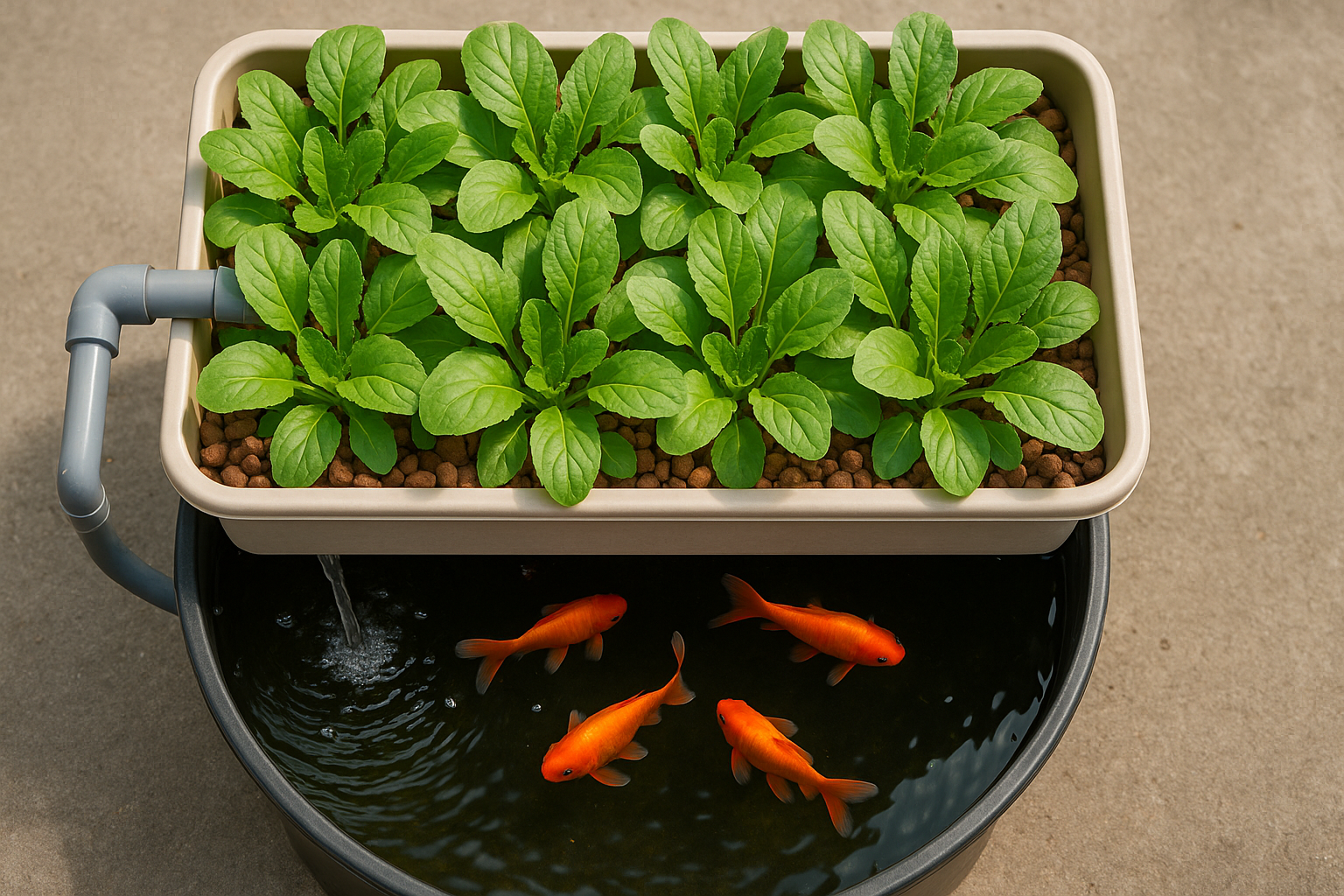
Goldfish represent the ideal starting point for most aquaponics beginners, offering a combination of hardiness, predictability, and forgiveness that makes them perfect for learning system management. Their characteristics align almost perfectly with the needs of beginning aquaponics enthusiasts working with small systems.
Growth Rate: Predictable and Manageable
Goldfish demonstrate slow to moderate growth rates, capable of doubling in size under optimal conditions between 65–75°F. This growth pattern provides beginners with months or even years to master system management before fish size becomes a limiting factor.
The predictable growth of goldfish allows for long-term planning and gradual system optimization. Unlike rapidly growing species that can outgrow systems within months, goldfish provide stability that lets beginners focus on learning water quality management, plant cultivation, and feeding protocols without the pressure of constantly changing fish requirements.
Goldfish growth responds directly to environmental conditions, providing immediate feedback on system management. Well-managed systems with optimal water quality, temperature, and feeding produce steadily growing, healthy goldfish. Poor management results in stunted growth, making goldfish excellent indicators of overall system health.
Waste Production: The Sweet Spot for Small Systems
Goldfish produce moderate amounts of waste that support plant growth without overwhelming small systems. This balance is crucial in systems under 50 gallons, where excess waste can quickly overwhelm biological filtration capacity and create water quality crises.
The composition of goldfish waste provides well-balanced nutrition for most vegetables commonly grown in aquaponics systems. The nitrogen, phosphorus, and potassium ratios in goldfish waste support healthy growth in leafy greens, herbs, and many flowering plants without requiring additional supplementation.
Waste production from goldfish remains relatively consistent and predictable, making it easier for beginners to understand the relationship between fish feeding, waste generation, and plant nutrition. This consistency helps develop the intuitive understanding of system balance that’s essential for long-term aquaponics success.
Temperature Tolerance: Built-in Forgiveness
Goldfish thrive in temperatures between 65–75°F (18–24°C) but can tolerate much wider ranges, making them adaptable to typical indoor temperatures without additional heating or cooling equipment. This temperature tolerance eliminates one of the major complexity factors that challenge beginning aquaponics enthusiasts.
The wide temperature tolerance of goldfish means systems can operate successfully in unheated spaces, garages, basements, or seasonal environments where temperature control isn’t practical or affordable. This flexibility makes goldfish systems accessible to beginners with limited budgets or space constraints.
Temperature fluctuations that might stress or kill more sensitive species barely affect healthy goldfish. This resilience provides crucial forgiveness for beginners who haven’t yet mastered environmental control or whose systems experience equipment failures or seasonal temperature swings.
Feeding Needs: Simple and Forgiving
Goldfish have low feeding requirements with an omnivorous diet that’s easy to manage. They can thrive on simple commercial fish food while also accepting vegetable scraps, making feeding straightforward and economical for beginners.
The omnivorous nature of goldfish provides flexibility in feeding strategies and system integration. They’ll eat algae, plant matter, and organic debris that accumulates in systems, helping maintain cleanliness while reducing feed costs. This scavenging behavior benefits small systems where manual cleaning can be challenging.
Goldfish are remarkably tolerant of feeding inconsistencies—a crucial advantage for beginners still developing management routines. They can survive several days without feeding and recover quickly from overfeeding incidents that might kill more sensitive species.
Legality: Universally Accessible
Goldfish are generally unrestricted and legal to keep anywhere, eliminating regulatory complications that might affect other species. This universal accessibility makes goldfish the safest choice for beginners uncertain about local regulations or permit requirements.
The widespread availability of goldfish through pet stores, online suppliers, and local breeders ensures easy access to replacement fish when needed. This availability also means competitive pricing and multiple supply options, reducing costs and supply chain risks.
The Production Powerhouse: Tilapia
Tilapia represent the high-performance option for aquaponics systems, offering rapid growth and excellent food production potential. However, their advantages come with increased complexity and management requirements that can challenge beginners.
Growth Rate: Rapid but Demanding
Tilapia demonstrate fast growth rates, reaching harvest size in 5-7 months under optimal conditions. This rapid growth provides quick returns on investment and the satisfaction of producing substantial amounts of protein in relatively short time frames.
The fast growth of tilapia can quickly outpace small system capacity, requiring careful population management and potentially forcing difficult decisions about harvesting young fish or expanding system size. This rapid growth demands more attention and planning than slower-growing species.
Rapid growth also means rapidly changing waste production and space requirements. Systems balanced for juvenile tilapia can become overcrowded and overwhelmed within months as fish mature and increase their waste output. This dynamic requires constant monitoring and adjustment of feeding and population management.
Waste Production: High Output, High Reward
Tilapia produce high amounts of waste that require robust filtration systems but also provide exceptional plant nutrition when properly managed. This high waste production can support intensive plant production that maximizes system productivity.
The nutrient-rich waste from tilapia supports heavy-feeding plants like tomatoes, peppers, and cucumbers that might struggle in lower-nutrient systems. This capability makes tilapia systems ideal for maximizing food production from limited space.
However, high waste production also creates greater risk of water quality problems if systems become unbalanced. Overfeeding or overcrowding tilapia can quickly overwhelm biological filtration, leading to ammonia spikes that kill fish and damage plants. This risk requires more sophisticated monitoring and management than lower-waste species.
Temperature Tolerance: Tropical Requirements
Tilapia require temperatures between 75–85°F (24–29°C) and need heating systems in cooler climates. This temperature requirement adds complexity and operational costs that can challenge beginners operating on limited budgets.
The narrow temperature tolerance of tilapia means system failures can quickly become catastrophic. Heater malfunctions, power outages, or extreme weather events can kill entire populations within hours. This vulnerability requires backup heating systems and monitoring equipment that add cost and complexity.
Maintaining optimal temperatures for tilapia also increases energy costs, particularly in cooler climates or during winter months. These ongoing operational expenses can significantly impact the economics of small-scale systems.
Feeding Needs: Protein-Focused Requirements
Tilapia require moderate feeding with protein-rich diets to support their rapid growth rates. This feeding requirement is more demanding than goldfish but provides correspondingly higher waste production for plant nutrition.
The protein requirements of tilapia typically necessitate higher-quality, more expensive feeds than those suitable for goldfish or other species. These feed costs can impact system economics, particularly in small systems where economies of scale don’t apply.
Tilapia are also more sensitive to feed quality and consistency than hardier species. Poor-quality feeds or irregular feeding schedules can impact growth rates, waste production, and fish health more significantly than with more tolerant species.
Legality: Complex and Variable
Tilapia face legal restrictions in many areas, requiring careful research of local regulations before system setup. Some states prohibit tilapia entirely, while others require permits or impose restrictions on transport and disposal.
The regulatory complexity surrounding tilapia can create ongoing compliance challenges for beginners. Changes in regulations, permit renewals, or enforcement actions can disrupt established systems or force costly modifications.
Obtaining legal tilapia stock can also be more challenging and expensive than acquiring goldfish, particularly in areas where permits are required or supply is limited by regulations.

The Beautiful Compromise: Koi
Koi offer a middle ground between the simplicity of goldfish and the productivity of tilapia, providing aesthetic appeal alongside functional aquaponics performance. However, their large size potential and specific requirements create unique considerations for small systems.
Growth Rate: Steady but Space-Demanding
Koi demonstrate moderate growth rates but can grow large, reaching 2-3 feet in optimal conditions. This growth potential makes them impractical for long-term housing in systems under 50 gallons, though they can start successfully in smaller systems.
The steady growth of koi provides more predictability than tilapia while offering more substantial fish production than goldfish. This intermediate growth rate can work well for systems designed to expand over time or for beginners planning to upgrade to larger systems.
Koi growth responds significantly to space availability, with cramped conditions leading to stunted development. This space sensitivity makes koi selection dependent on long-term system planning rather than just current capacity.
Waste Production: Balanced for Plant Growth
Koi produce moderate amounts of waste that support effective nutrient cycling without overwhelming small systems initially. However, their waste production increases significantly as they grow, requiring system management that accounts for changing nutrient loads.
The waste composition from koi provides good plant nutrition while being less intensive than tilapia waste. This moderate nutrient level works well for a wide range of plants and provides good flexibility in crop selection.
As koi mature and increase in size, their waste production can eventually overwhelm small systems, requiring careful monitoring and potential population management to maintain water quality balance.
Temperature Tolerance: Cold-Hardy Advantage
Koi demonstrate exceptional temperature tolerance, surviving in temperatures from 35–85°F (2–30°C) with optimal performance between 40–70°F. This cold tolerance makes them suitable for unheated systems and seasonal operations.
The cold tolerance of koi eliminates heating requirements in many climates, reducing operational costs and system complexity. This advantage makes koi systems more accessible to beginners with limited budgets or those operating in unheated spaces.
Koi also demonstrate seasonal adaptations that can benefit aquaponics systems, becoming less active and requiring less feeding during cooler periods when plant growth also slows. This natural synchronization can help maintain system balance throughout seasonal changes.
Feeding Needs: Flexible but Frequent
Koi are omnivorous and benefit from frequent small meals, providing flexibility in feeding strategies while requiring more attention than once-daily feeding species.
The omnivorous diet of koi allows for varied feeding strategies, including vegetable matter, commercial feeds, and natural foods. This flexibility can help reduce feed costs while providing opportunities for system integration with plant production.
Koi will also consume algae, aquatic plants, and organic debris, helping maintain system cleanliness while reducing the need for manual maintenance. However, this feeding behavior can also damage desirable plants if not properly managed.
Legality: Generally Accessible
Koi are generally unrestricted but require verification of local laws in some areas. Most locations allow koi without permits, making them more accessible than tilapia while potentially having some restrictions compared to goldfish.
The widespread popularity of koi for ornamental ponds means good availability through multiple supply channels, though quality breeding stock can be expensive. This availability provides supply security while offering options for various budget levels.
Hardy Alternatives: Exploring Other Options
Beyond the primary three species, several hardy alternatives offer unique advantages for specific situations or regional conditions. These alternatives can provide solutions for beginners with particular constraints or interests.
Catfish: The Resilient Choice
Catfish demonstrate exceptional tolerance for various conditions, making them suitable for warmer climates and less-than-perfect water quality. Their hardiness rivals goldfish while offering better food production potential.
Catfish produce excellent eating fish with firm, mild flesh that many people prefer to tilapia. They also grow steadily without the explosive growth rates that can overwhelm small systems, providing a good balance between productivity and manageability.
The waste production from catfish supports good plant growth while being manageable in small systems. They also tolerate crowding better than most species, allowing higher stocking densities when space is limited.
Trout: The Cool-Water Specialist
Trout prefer cooler temperatures and require precise water quality management, making them suitable for specific climate conditions and experienced beginners willing to invest in water quality control.
The cool-water preference of trout makes them ideal for operations in northern climates or those with access to naturally cool water sources. They produce excellent eating fish and command premium prices in many markets.
However, trout require higher dissolved oxygen levels and more precise water quality management than other species, making them challenging for absolute beginners but rewarding for those willing to invest in proper equipment and monitoring.
Making Your Choice: Matching Fish to Your Situation
Selecting the right fish for your first aquaponics system requires honest assessment of your goals, resources, constraints, and experience level. The perfect fish for one beginner might be completely inappropriate for another with similar systems but different circumstances.
Assessing Your Priorities
Begin by clearly defining your primary goals for the aquaponics system. Are you primarily interested in learning aquaponics principles with minimal risk? Goldfish provide the most forgiving learning environment. Do you want to produce significant amounts of food quickly? Tilapia offer the highest productivity but require more management expertise.
Consider your available time for system management and monitoring. Fish species vary dramatically in their tolerance for management mistakes and irregular attention. Goldfish can survive significant neglect, while tilapia require consistent daily management to maintain health and productivity.
Evaluate your budget for both initial setup and ongoing operational costs. Some species require expensive equipment like heaters, chillers, or sophisticated filtration systems. Others impose ongoing costs through expensive feeds or higher energy requirements.
Understanding Your Constraints
Climate conditions often eliminate certain species regardless of personal preferences. Tilapia simply aren’t practical in unheated systems in cold climates, while trout require cooling in warm areas. Understanding your environmental constraints helps narrow choices to practical options.
Space limitations affect not just current fish selection but long-term system evolution. Fast-growing or large species might work initially but become problematic as they mature. Consider both current capacity and realistic expansion possibilities.
Regulatory restrictions may limit species choices regardless of other factors. Research local regulations, permit requirements, and any restrictions on transport or possession before making final decisions. Some areas prohibit certain species entirely, while others require expensive permits.
Planning for Success
Successful fish selection involves planning for various scenarios and potential challenges. Consider what happens if fish grow faster than expected, if equipment fails, if local regulations change, or if your interests or goals evolve over time.
Many successful aquaponics enthusiasts start with hardy, forgiving species like goldfish while learning system management, then transition to more productive species as their skills and confidence develop. This progressive approach reduces risk while building the experience needed for more challenging species.
Remember that fish selection is just one component of aquaponics success. The hardiest fish won’t save a poorly designed system, while proper system design and management can make challenging species more successful. Focus on creating systems that support your chosen fish while providing room for growth and learning.
Your first fish choice won’t determine your entire aquaponics future, but it will significantly influence your initial experience and learning process. Choose species that match your current capabilities while supporting your long-term goals, and remember that every expert was once a beginner who made careful, thoughtful choices about their first fish.