
Smart Technology Revolution in Aquaponics: How CEA and IoT Are Transforming Small Commercial Farming Operations
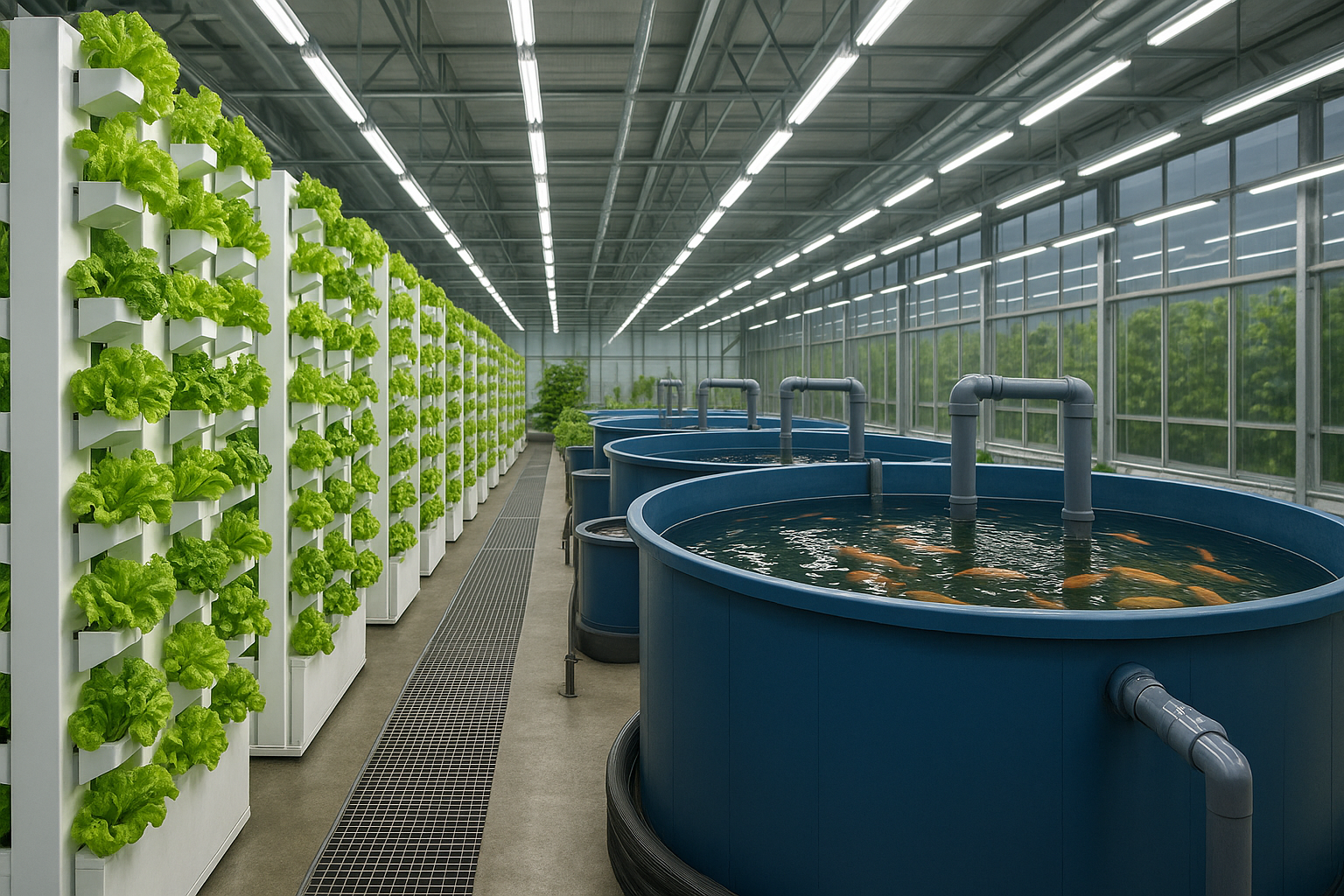
When Tom Richardson first walked through Blue Ridge Aquaculture’s facility in rural Virginia, he couldn’t believe what he was seeing. Fish swimming in precisely controlled tanks while lettuce, herbs, and microgreens thrived in vertical growing towers—all managed by computers that monitored every pH fluctuation, temperature change, and nutrient level in real-time. As a small commercial farmer struggling with unpredictable weather and rising costs, Tom realized he was witnessing the future of agriculture: a technology-driven approach that could eliminate many of the challenges that kept him awake at night.
The integration of controlled environment agriculture (CEA) with smart farming technologies is revolutionizing how small commercial farmers approach aquaponics and hydroponics. What once required extensive manual monitoring and guesswork now operates with precision through Internet of Things (IoT) sensors, artificial intelligence (AI), and automated systems that optimize growing conditions continuously.
For small commercial operators, this technological transformation represents more than innovation—it provides practical solutions to persistent challenges like climate variability, labor shortages, resource constraints, and market pressures. Understanding how these technologies work and why they’re driving significant market growth helps farmers evaluate opportunities to improve their operations’ efficiency, productivity, and profitability.
Virginia’s Pioneering Controlled Environment Agriculture
Blue Ridge Aquaculture operates Virginia’s first controlled environment agriculture facility, using aquaponics with technology such as LED lighting and computer-managed nutrition to produce fish and plants year-round, minimizing pesticide use and transport emissions. This facility demonstrates how advanced technologies can create sustainable, profitable farming operations that address multiple challenges simultaneously.
The year-round production capability eliminates seasonal income fluctuations that plague traditional farming operations. While conventional farmers face months with no revenue, controlled environment systems can produce consistent harvests throughout winter months when fresh produce commands premium prices. This stability allows for better financial planning and reduced business risk.
LED lighting systems provide precise light spectrums optimized for plant growth while consuming significantly less energy than traditional grow lights. Modern LED arrays can be programmed to deliver specific light recipes for different crops and growth stages, maximizing photosynthesis efficiency while minimizing electricity costs. For leafy greens, this can reduce growing cycles by 30-40% compared to greenhouse production.
Computer-managed nutrition systems eliminate much of the guesswork in aquaponics nutrient management. Automated dosing systems maintain optimal nutrient levels for both fish and plants while preventing the over-fertilization that can harm fish or under-fertilization that limits plant growth. These systems can adjust nutrient delivery based on plant growth stages, fish feeding schedules, and environmental conditions.
The pesticide reduction achieved through controlled environments addresses both cost savings and market premiums. Enclosed systems limit pest exposure while beneficial insects can be introduced strategically for biological pest control. This approach reduces chemical input costs while producing crops that qualify for organic premiums or sustainability certifications.
Transport emission reduction through local production creates additional value propositions for marketing. Produce grown within 50 miles of consumption points can be harvested at peak ripeness and delivered fresh, commanding higher prices than products shipped from distant locations. This local advantage becomes increasingly important as consumers prioritize sustainability and freshness.
Smart Technology Integration: IoT and AI in Action
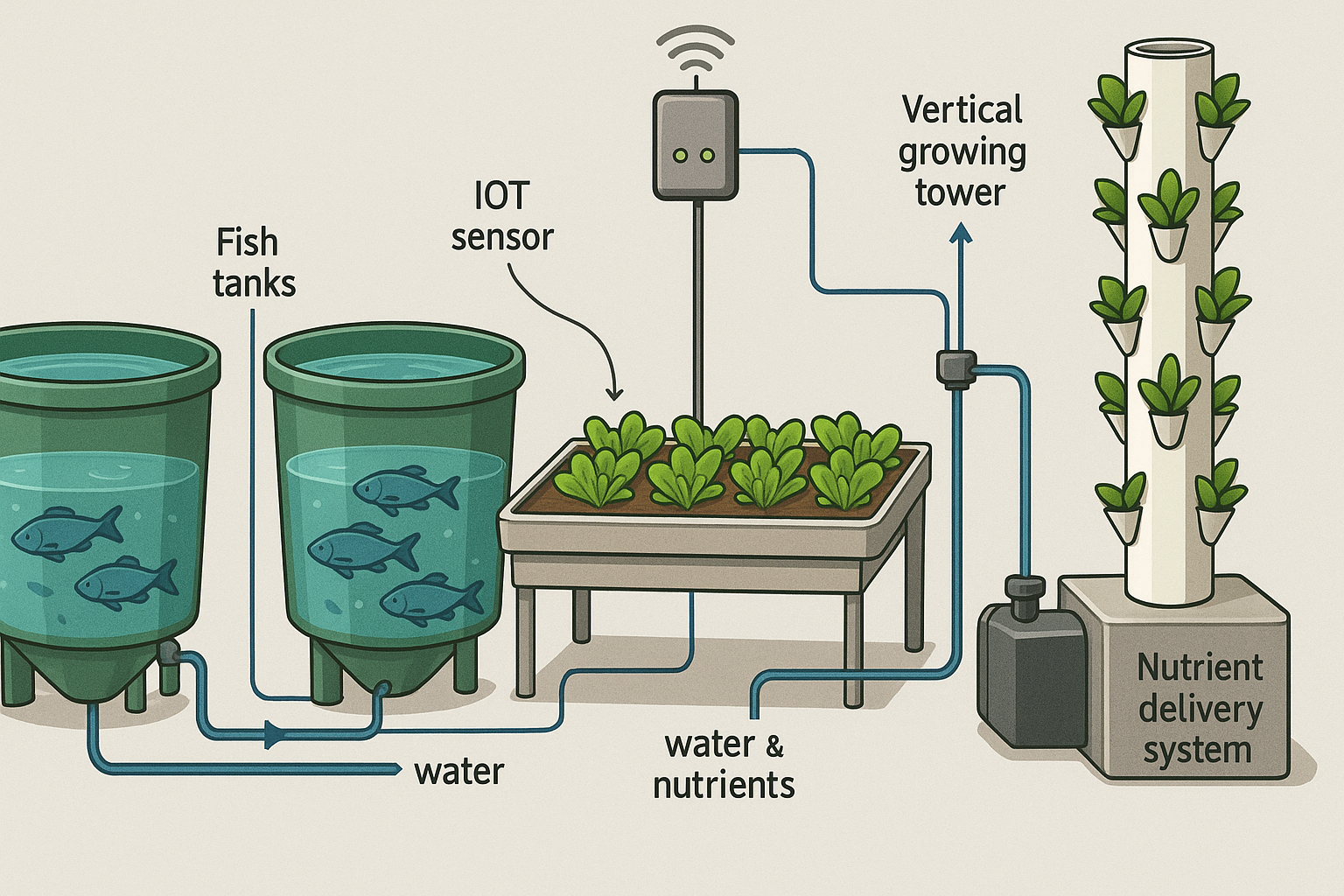
Smart farming technologies, including IoT sensors and AI, improve real-time monitoring of critical variables like pH, temperature, and water quality, enhancing operational efficiency. These technologies transform aquaponics from labor-intensive manual monitoring to precise, automated systems that optimize performance continuously.
IoT sensor networks provide continuous monitoring of dozens of parameters that affect system performance. pH sensors track water acidity levels that determine nutrient availability for plants and fish health. Temperature monitors ensure optimal conditions for both biological components while dissolved oxygen sensors prevent fish mortality from inadequate aeration. Conductivity meters track nutrient concentrations, alerting operators to feeding adjustments or nutrient supplementation needs.
The data collected by IoT sensors enables predictive management rather than reactive problem-solving. AI algorithms can identify trends that indicate developing problems before they impact production. Gradual pH drift might indicate biofilter issues, while changing conductivity patterns could signal overfeeding or under-fertilization. Early detection prevents catastrophic failures that can destroy entire crops or fish populations.
Automated response systems can make immediate adjustments based on sensor data. When pH levels drift outside optimal ranges, automated dosing systems can add buffering solutions to restore balance. If dissolved oxygen drops below safe levels, aeration systems can increase output automatically. These immediate responses prevent the small problems from becoming major losses.
Remote monitoring capabilities allow farmers to manage systems from anywhere with internet connectivity. Mobile apps provide real-time system status, alert notifications, and remote control capabilities. This flexibility enables farmers to manage larger facilities with less on-site labor while ensuring rapid response to any issues that arise.
Data logging and analysis capabilities help optimize system performance over time. Understanding which environmental conditions produce the best growth rates, feed conversion ratios, and crop yields enables continuous improvement. Historical data can reveal seasonal patterns, optimal harvest timing, and efficient resource utilization strategies.
Machine learning algorithms can optimize system parameters automatically based on accumulated data. AI systems can adjust lighting schedules, feeding rates, and environmental controls to maximize productivity while minimizing resource consumption. These systems learn from experience and can adapt to changing conditions or different crop varieties.
Market Growth and Economic Opportunities
The global aquaponics market is projected to grow at a CAGR of 13.76%, from $1.9 billion in 2025 to an anticipated $6.2 billion, driven by urbanization and scalable system designs. This rapid growth creates opportunities for small commercial farmers to enter expanding markets while technologies become more accessible and affordable.
Urbanization drives demand for locally produced fresh food as more people live in cities with limited access to traditional farming. Urban consumers often pay premium prices for fresh, locally grown produce, especially when it’s produced sustainably. Metropolitan areas provide concentrated markets that can support multiple small commercial aquaponics operations.
Scalable system designs enable farmers to start small and expand based on market success and available capital. Modular approaches allow initial investments of $20,000-$50,000 for proof-of-concept systems that can generate revenue while providing learning opportunities. Successful operators can add modules or upgrade equipment as their knowledge and customer base grow.
The technology cost reduction accompanying market growth makes advanced systems more accessible to small farmers. IoT sensors that cost thousands of dollars a few years ago now cost hundreds. LED lighting efficiency improvements have reduced energy consumption by 50-60% while cutting equipment costs. Automated control systems previously available only to large operations now come in packages designed for small commercial farms.
Investor interest in sustainable agriculture creates opportunities for financing that weren’t available historically. Impact investors, sustainability-focused funds, and government programs increasingly support controlled environment agriculture projects. Grant funding, low-interest loans, and tax incentives can help offset initial investment costs.
Market premiums for sustainably produced food continue expanding as consumer awareness grows. Products grown with renewable energy, minimal water usage, and no synthetic pesticides can command 20-40% price premiums over conventional alternatives. These premiums help justify the higher initial costs of controlled environment systems.
Modular Systems: Lowering Entry Barriers
Modular aquaponics systems are designed to lower entry barriers for commercial growers, facilitating adoption by both small-scale and institutional buyers. These systems address the major obstacles that prevent small farmers from adopting controlled environment agriculture: high initial costs, technical complexity, and scaling challenges.
Modular design principles allow farmers to purchase systems in increments rather than making large upfront investments. A basic module might cost $15,000-$25,000 and provide enough production capacity to serve local restaurants or farmers markets. Additional modules can be added as revenue grows, creating a pathway to larger operations without requiring massive initial capital.
Standardized components simplify system design, installation, and maintenance. Modular systems use proven component combinations that eliminate the trial-and-error process of custom system development. Pre-engineered connections, standardized tank sizes, and compatible equipment reduce installation complexity while ensuring reliable performance.
Plug-and-play functionality makes advanced technologies accessible to farmers without engineering backgrounds. Modular systems come with pre-programmed control systems, automated monitoring, and user-friendly interfaces. Farmers can focus on crop production and marketing rather than system engineering and troubleshooting.
Scalability built into modular designs allows gradual capacity increases without major system redesign. Additional growing towers, fish tanks, and filtration components can be integrated seamlessly. This flexibility enables farmers to match production capacity to market demand while avoiding over-investment in unused capacity.
Maintenance and troubleshooting become more manageable with modular systems because problems can often be isolated to specific components. Replacing a faulty pump, sensor, or growing module doesn’t require shutting down entire systems. Spare parts inventories can focus on standardized components used across multiple modules.
Training and support services accompanying modular systems help farmers develop necessary skills quickly. Manufacturers typically provide installation assistance, operational training, and ongoing technical support. Online resources, training videos, and user communities create knowledge-sharing platforms that accelerate learning.
Financial Incentives and Cost Management
Facilities are utilizing historic tax credits to reduce operational costs, thereby increasing access to advanced aquaponic technologies. Understanding available incentives and cost management strategies helps small farmers evaluate the true economics of controlled environment agriculture investments.
Tax incentives can significantly reduce the effective cost of aquaponics system investments. Historic tax credits, renewable energy incentives, agricultural development programs, and sustainability grants can offset 20-40% of initial costs. Some regions offer accelerated depreciation for agricultural equipment or tax credits for job creation in rural areas.
Renewable energy integration qualifies farmers for additional incentives while reducing operational costs. Solar panel installations can receive federal tax credits, state rebates, and utility incentives that reduce net costs by 30-50%. Energy storage systems may qualify for additional incentives while providing backup power for critical system components.
Utility cost reduction through efficient systems and renewable energy can dramatically improve operational economics. LED lighting uses 60-80% less electricity than traditional grow lights while automated systems optimize energy consumption. Smart controls can shift energy usage to off-peak hours when electricity rates are lower.
Water cost savings become significant in many regions where water prices are rising or availability is limited. Aquaponics systems use 90% less water than traditional agriculture while recirculating systems can reduce consumption even further. Water efficiency provides both cost savings and operational resilience during drought conditions.
Labor cost optimization through automation reduces one of the largest operational expenses in agriculture. Automated feeding, monitoring, and harvesting systems can reduce labor requirements by 40-60% compared to manual operations. This reduction enables farmers to manage larger operations with existing workforce or allocate labor to higher-value activities like marketing and customer service.
Insurance cost considerations include both risks and potential savings from controlled environment operations. While specialized equipment may require additional coverage, reduced weather risk, pest control, and crop loss exposure can lower overall insurance costs. Some insurers offer premium discounts for sustainable farming practices or advanced monitoring systems.
Advanced System Integration and Optimization
Decoupled aquaponics systems represent advanced approaches that separate fish and plant components for independent optimization. These systems allow precise nutrient management for different crops while maintaining optimal conditions for fish health. Decoupled designs can achieve yields comparable to hydroponics while maintaining the sustainability benefits of fish waste utilization.
Biostimulants and beneficial microorganisms enhance plant growth and system resilience while reducing dependence on synthetic inputs. Mycorrhizal fungi, plant growth-promoting bacteria, and organic acids can improve nutrient uptake, stress tolerance, and disease resistance. These biological solutions align with sustainability goals while potentially improving crop quality and yields.
Integrated pest management in controlled environments combines beneficial insects, physical barriers, and targeted treatments to minimize pest damage without chemical pesticides. Predatory insects can be introduced strategically while sticky traps, screens, and quarantine procedures prevent pest establishment. This approach reduces input costs while producing crops that qualify for organic or pesticide-free premiums.
Climate control optimization through AI and machine learning can reduce energy consumption while maintaining optimal growing conditions. Smart systems learn from weather patterns, production schedules, and energy pricing to optimize heating, cooling, and ventilation automatically. These systems can pre-cool facilities during off-peak hours or adjust humidity levels based on weather forecasts.
Crop scheduling and succession planting in controlled environments enable continuous harvests and maximum facility utilization. Staggered planting schedules ensure regular harvest cycles while different harvest windows can be timed to match market demand patterns. Advanced systems can coordinate multiple crop varieties with different growing requirements and market timing.
Addressing Implementation Challenges
Technical complexity remains a significant challenge for small farmers adopting controlled environment agriculture. Understanding system biology, water chemistry, environmental controls, and equipment maintenance requires knowledge that differs substantially from traditional farming. Comprehensive training programs, ongoing technical support, and gradual system complexity increases help farmers develop necessary skills.
Initial investment costs can be substantial even for modular systems designed for small operations. Creative financing approaches include equipment leasing, cooperative purchasing, grant funding, and phased implementation strategies. Understanding total cost of ownership, including operational savings and revenue potential, helps evaluate investment decisions accurately.
Market development requires understanding local demand patterns, competition, and pricing strategies. Controlled environment produce often costs more to produce than conventional alternatives, requiring premium market positioning. Direct sales, restaurant partnerships, and consumer education help build markets that value sustainability and quality over lowest price.
Regulatory navigation can be complex in regions without established frameworks for controlled environment agriculture. Zoning approvals, building permits, food safety regulations, and aquaculture licensing may require professional assistance. Early engagement with regulatory agencies helps prevent delays or compliance issues.
Supply chain development becomes crucial for reliable equipment, nutrients, and materials. Establishing relationships with multiple suppliers, maintaining critical spare parts inventory, and understanding lead times for specialized components helps prevent production disruptions. Local supplier development can reduce costs and improve responsiveness.
Future Trends and Opportunities
Vertical integration opportunities allow controlled environment agriculture operations to expand into value-added processing, packaging, and distribution. Fresh-cut salads, prepared foods, and specialty products can command higher margins while utilizing production capacity more efficiently. Integration can also include seed production, beneficial insect breeding, or consulting services.
Urban agriculture expansion continues creating opportunities for controlled environment systems in metropolitan areas. Rooftop farms, warehouse conversions, and purpose-built urban facilities can serve local markets while reducing transportation costs and environmental impact. Zoning changes and urban agriculture incentives make city-based operations increasingly viable.
Climate change adaptation positions controlled environment agriculture as a resilient alternative to weather-dependent farming. Extreme temperatures, irregular precipitation, and severe storms affect controlled environment facilities less than open-field agriculture. This resilience becomes increasingly valuable as climate volatility increases.
Consumer education and market development continue expanding demand for sustainably produced, locally grown food. Transparency in production methods, environmental impact documentation, and community engagement help build customer loyalty and support premium pricing. Educational tours, cooking classes, and community supported agriculture programs strengthen market relationships.
Technology advancement will continue reducing costs while improving capabilities. Artificial intelligence, robotics, biotechnology, and renewable energy developments will make controlled environment agriculture more accessible and profitable. Early adopters can benefit from these advances while building experience and market position.
Strategic Implementation Roadmap
Small commercial farmers considering controlled environment agriculture should begin with comprehensive market research and business planning. Understanding local demand, competition, suitable crops, and realistic pricing helps determine system requirements and financial projections. Conservative estimates and adequate working capital help ensure success during learning periods.
Education and training investment should precede major equipment purchases. Understanding system requirements, operational procedures, and common problems helps prevent costly mistakes. Hands-on training, mentorship programs, and facility visits provide practical knowledge that complements theoretical learning.
Phased implementation allows skill development while limiting financial risk. Starting with simple systems and proven crops, then expanding complexity and capacity based on success and experience, provides a safer pathway than attempting large-scale operations immediately.
Partnerships and collaboration can provide access to knowledge, resources, and markets that individual farmers might not achieve alone. Equipment sharing, cooperative marketing, technical assistance exchanges, and group purchasing can reduce costs while improving capabilities.
Continuous improvement and adaptation will be essential as technologies evolve and markets develop. Staying current with industry developments, networking with other practitioners, and investing in ongoing education helps maintain competitive advantages in rapidly changing markets.
Embracing the Technology Revolution
The convergence of controlled environment agriculture, IoT monitoring, AI optimization, and modular system designs creates unprecedented opportunities for small commercial farmers. Examples like Blue Ridge Aquaculture demonstrate that advanced technologies can operate profitably at commercial scale while delivering environmental and social benefits.
The projected market growth from $1.9 billion to $6.2 billion in the aquaponics sector indicates that these technologies are moving from experimental to mainstream adoption. Small farmers who understand and prepare for this transformation can position themselves to benefit from growing markets, improving technologies, and increasing consumer demand for sustainable products.
Success requires recognizing that controlled environment agriculture represents a fundamentally different approach to farming that emphasizes precision, efficiency, and technology integration. The initial complexity and investment can be substantial, but the potential benefits—climate resilience, resource efficiency, premium pricing, and production reliability—justify serious consideration.
Smart farming technologies eliminate much of the guesswork and manual labor traditionally required in aquaponics while providing precise control over growing conditions. These capabilities enable small farmers to achieve productivity and quality levels that were previously available only to large operations with specialized staff.
The future of sustainable agriculture increasingly points toward controlled environment systems that can produce high-quality food efficiently while minimizing environmental impact. Small commercial farmers who embrace these technologies early will be better positioned to thrive in the evolving agricultural landscape while contributing to more sustainable food systems.