
Aquaculture stands at the threshold of a revolutionary transformation in 2025, driven by an unprecedented convergence of technological innovation, environmental awareness, and changing consumer preferences. For an industry that produces more than half of the world’s seafood, these changes represent more than incremental improvements—they signal a fundamental reimagining of how we raise aquatic protein and the role it plays in global food security.
The aquaculture landscape of 2025 reflects years of adaptation to mounting pressures: climate change impacts that threaten traditional production systems, consumer demands for sustainability and transparency, and technological capabilities that enable precision farming at scales previously unimaginable. Small commercial farmers who understand these trends and position themselves accordingly will find unprecedented opportunities to compete with larger operations while contributing to sustainable food systems.
The significance of these developments extends beyond individual farm operations to encompass global food security, environmental stewardship, and economic opportunity in rural and coastal communities worldwide. As traditional fisheries face continued pressure from overharvesting and environmental degradation, aquaculture’s role in meeting protein needs becomes increasingly critical, making the innovations of 2025 essential for the industry’s sustainable future.
Sustainable Practices: Redefining Environmental Responsibility
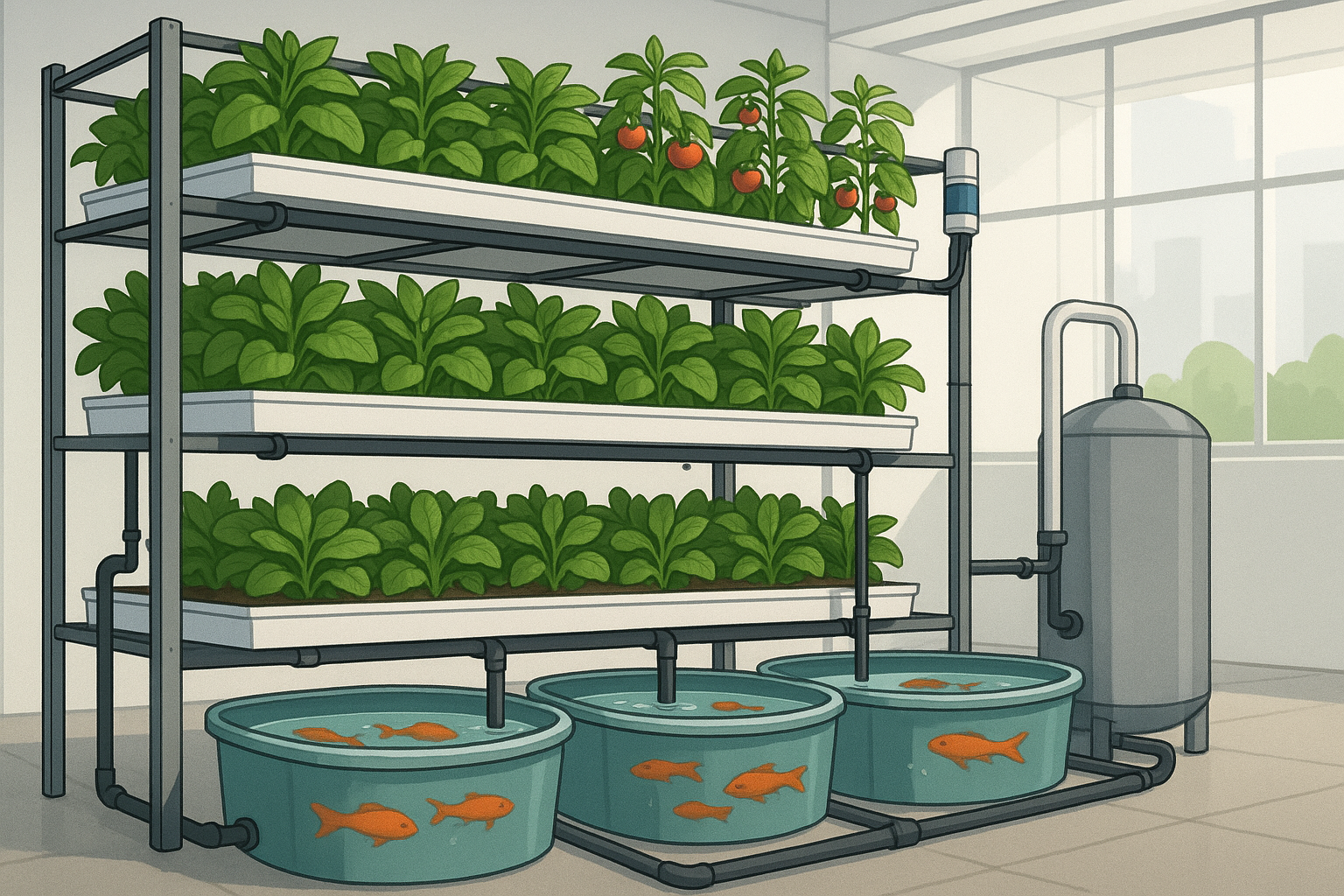
Sustainability has evolved from a marketing advantage to an operational imperative in 2025, with aquaculture operations implementing comprehensive environmental management systems that reduce impact while improving productivity. Urban aquaculture through vertical farming systems and aquaponics/hydroponics is being implemented to optimize space and resources, enhancing food resilience and reducing carbon footprints, demonstrating how innovative farming approaches can address multiple challenges simultaneously.
Urban aquaculture represents a fundamental shift from traditional coastal or rural operations to integrated food production systems that serve local markets while minimizing transportation impacts. These systems often operate in controlled environments that enable year-round production regardless of weather conditions, providing consistent supply for urban consumers while reducing the environmental footprint associated with long-distance food transportation.
Data-driven fish breeding utilizing AI and data analytics improves breeding techniques while enhancing genetic selection and disease resistance, creating fish populations that require fewer treatments and perform better under various environmental conditions. This approach represents a paradigm shift from traditional breeding methods that relied primarily on observable traits to sophisticated genetic analysis that can predict performance characteristics with unprecedented accuracy.
Genetic improvements through data-driven breeding programs are yielding fish that grow faster on less feed, resist diseases more effectively, and adapt better to varying environmental conditions. These improvements directly translate to improved profitability for farmers while reducing environmental impact through more efficient resource use and reduced need for therapeutic interventions.
Wastewater management systems designed to manage and utilize wastewater effectively promote circular economy practices by converting waste streams into valuable resources for other agricultural or industrial applications. Advanced treatment systems can produce water clean enough for agricultural irrigation while capturing nutrients that can be used as fertilizers.
Waste-to-resource conversion technologies are enabling aquaculture operations to become net producers of valuable byproducts rather than generators of waste disposal problems. Solid waste can be processed into organic fertilizers, while processed water can support other agricultural activities, creating integrated systems that maximize resource efficiency.
Sustainable feed development has become a critical focus area, with researchers and companies developing alternatives to traditional fishmeal and fish oil that reduce pressure on wild fish populations while maintaining nutritional quality. Plant-based feeds, insect protein, and single-cell protein sources are becoming commercially viable, enabling sustainable scaling of aquaculture production.
Carbon footprint reduction strategies include renewable energy integration, efficient transportation systems, and carbon sequestration through integrated farming systems. Many operations are achieving carbon neutrality or even negative carbon footprints through comprehensive environmental management approaches.
For small commercial farmers, sustainable practices provide competitive advantages through access to premium markets, regulatory compliance, and operational efficiency improvements that reduce input costs while improving environmental performance.
Technology Integration: AI and IoT Transform Farm Management
Technological integration has reached unprecedented sophistication in 2025, with IoT devices collecting data on water quality and fish behavior, analyzed by AI for actionable insights that enable precise management decisions based on real-time conditions rather than traditional schedules or approximations.
Real-time monitoring systems provide continuous oversight of critical parameters including dissolved oxygen levels, temperature, pH, ammonia concentrations, and fish behavior patterns. These systems can detect subtle changes that might indicate developing problems hours or days before they become serious enough to impact fish health or production.
AI-driven analytics detect early signs of disease, allowing timely intervention that can prevent outbreaks from spreading throughout fish populations. Computer vision systems can identify changes in fish behavior, feeding patterns, or physical appearance that indicate stress or illness, enabling treatment before conditions become severe.
Predictive analytics capabilities enable farmers to anticipate problems and optimize management practices based on historical data and current conditions. These systems can recommend optimal feeding schedules, predict growth rates, and suggest environmental adjustments that maximize productivity while minimizing resource use.
Automated feeding systems optimize feeding schedules, reducing waste and accelerating growth rates through precise delivery of appropriate amounts of feed based on fish appetite, environmental conditions, and growth objectives. Smart feeding systems can adjust portion sizes, timing, and feed composition based on real-time assessment of fish responses.
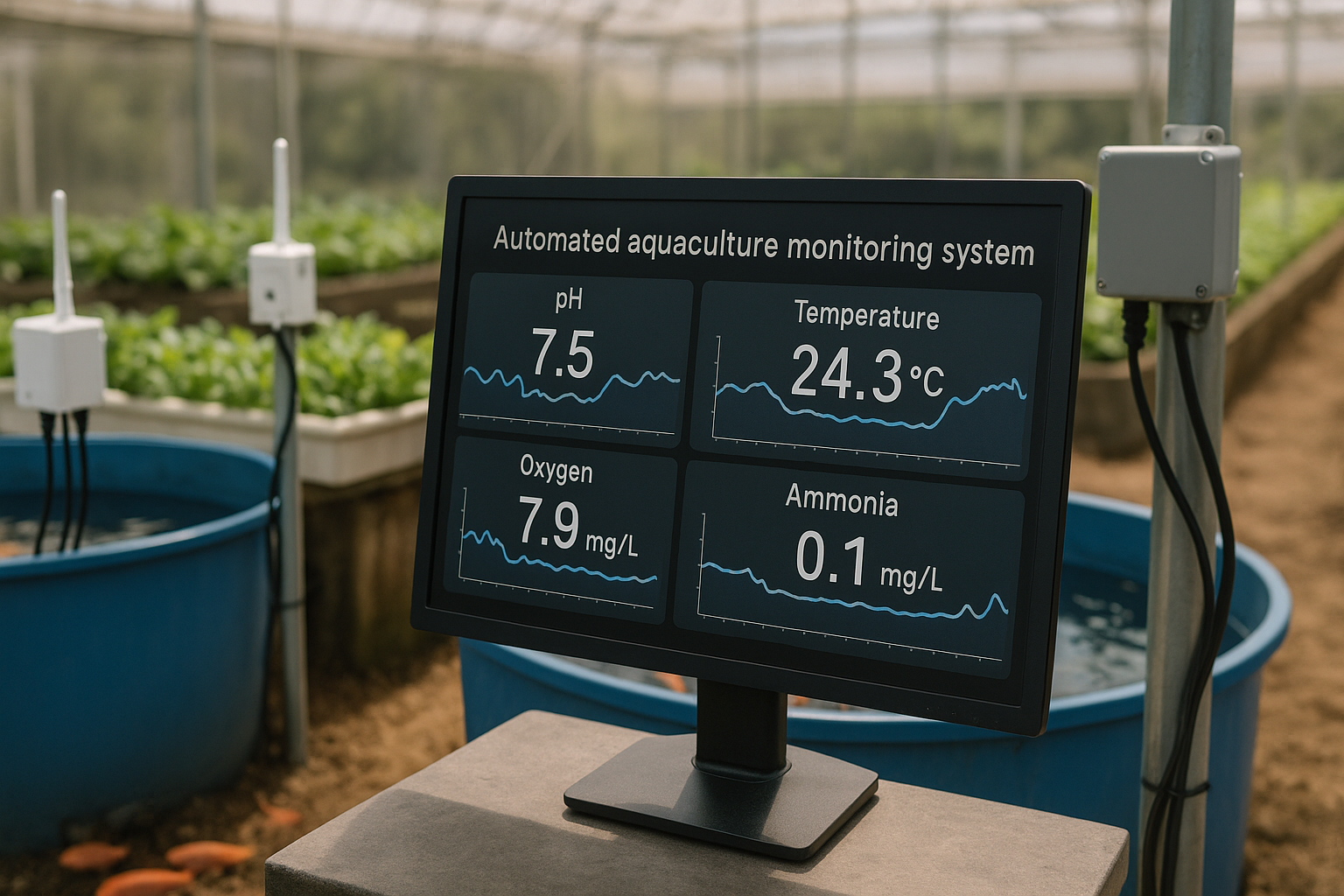
Automation extends beyond feeding to include water quality management, environmental controls, and harvesting systems that reduce labor requirements while improving consistency and precision of operations. Automated systems can maintain optimal conditions continuously, even when human operators are not present.
Integrated farm management platforms consolidate data from multiple sources to provide comprehensive oversight of operations, enabling farmers to make informed decisions about production strategies, resource allocation, and market planning. These platforms often include business intelligence capabilities that help optimize profitability alongside production metrics.
Mobile connectivity enables farmers to monitor and manage operations remotely, providing flexibility and responsiveness that can be crucial for maintaining optimal conditions. Cloud-based systems ensure data security and accessibility while providing scalable computing resources for analysis and storage.
For small commercial farmers, technology integration levels the playing field by providing access to sophisticated management tools that were previously available only to large operations. Many systems are designed for scalability, allowing farmers to start with basic functionality and add capabilities as operations grow.
Consumer Demand Shifts: The Plant-Based Revolution
Consumer preferences are driving fundamental changes in seafood markets, with the plant-based seafood market projected to grow significantly, driven by sustainability and health concerns. This shift represents both challenge and opportunity for traditional aquaculture operations as market dynamics evolve.
Sustainability, health, taste, and ethical concerns are key drivers of demand for plant-based seafood alternatives, reflecting broader consumer trends toward environmentally responsible and health-conscious food choices. Consumers increasingly understand the environmental impacts of food production and seek options that align with their values.
Market segmentation is creating opportunities for differentiated products that serve specific consumer segments. Premium sustainably-produced seafood commands higher prices from environmentally conscious consumers, while plant-based alternatives attract health-focused and ethically motivated buyers.
Product innovation in traditional aquaculture includes development of products that emphasize sustainability credentials, traceability, and quality attributes that distinguish them from both conventional seafood and plant-based alternatives. Farmers are developing specialty products that serve niche markets willing to pay premiums for exceptional quality or environmental benefits.
Transparency and traceability have become essential marketing tools, with consumers demanding detailed information about production methods, environmental impacts, and supply chain practices. Blockchain technology and digital tracking systems enable farms to provide verified information about their products.
Direct-to-consumer sales channels are expanding opportunities for small farmers to capture more value from their products while building direct relationships with customers. Online platforms, farmers’ markets, and community-supported aquaculture programs enable farmers to communicate directly with environmentally conscious consumers.
Restaurant and institutional partnerships provide stable market channels for farmers who can demonstrate consistent quality and sustainable practices. Chefs increasingly value locally-produced, sustainably-raised seafood that supports their sustainability messaging and menu differentiation.
For aquaculture farmers, understanding consumer trends enables strategic positioning that captures premium pricing while building customer loyalty based on shared values around sustainability and quality.
Climate Change Adaptation: Resilience Through Innovation
Climate change impacts are reshaping aquaculture practices as rising temperatures affect fish health and yields, necessitating adaptive strategies that maintain productivity while building resilience against increasingly variable environmental conditions.
Temperature management has become critical as traditional growing regions experience temperature ranges outside optimal parameters for many species. Cooling systems, site selection, and species diversification help farmers maintain productive operations despite changing thermal environments.
Extreme weather events increase operational disruptions, requiring resilient farming methods that can withstand storms, floods, droughts, and other climate-related challenges. Infrastructure improvements, emergency protocols, and backup systems help operations continue functioning during extreme events.
Water quality management becomes more complex as climate change affects natural water systems through altered precipitation patterns, increased storm intensity, and changing seasonal cycles. Advanced treatment systems and monitoring technologies help maintain optimal growing conditions despite environmental variability.
Species diversification strategies involve cultivating multiple species with different environmental tolerances, enabling farmers to maintain production even when conditions become unsuitable for particular species. This approach spreads risk while potentially opening new market opportunities.
Indoor and controlled environment systems provide protection from climate variability while enabling precise environmental control that optimizes growing conditions regardless of external weather. These systems require higher initial investments but provide operational security and consistency.
Early warning systems and climate forecasting help farmers anticipate challenging conditions and take protective measures before problems become severe. Weather monitoring, oceanographic data, and climate modeling provide information for proactive management decisions.
Insurance and risk management strategies help farmers protect their investments against climate-related losses while maintaining financial stability during challenging periods. Specialized aquaculture insurance products are evolving to address climate risks.
For small commercial farmers, climate adaptation requires balancing investment in resilience measures with maintaining profitability, often through staged improvements that build adaptive capacity over time.
Organic Aquaculture: Premium Markets Drive Growth
The organic aquaculture sector is experiencing unprecedented expansion, with demand growth driven by consumer preferences for safety and sustainability, with Europe and Asia-Pacific leading growth in both production and consumption of certified organic seafood products.
Product segmentation shows organic salmon and shrimp dominating demand, with frozen and processed products seeing rapid growth as consumers seek convenient options that maintain organic integrity throughout the supply chain.
Organic certification requirements have standardized around comprehensive environmental and health standards that ensure products meet consumer expectations for sustainability and safety. Certification processes verify feed sources, production methods, and facility management practices.
Premium pricing for organic products provides significant economic incentives for farmers willing to invest in organic certification and management practices. Organic seafood typically commands 20-50% price premiums over conventional products, improving farm profitability despite higher production costs.
Supply chain development for organic aquaculture includes specialized feed suppliers, processing facilities, and distribution networks that maintain organic integrity from farm to consumer. Infrastructure development is reducing costs and improving availability of organic inputs.
Market access for organic products includes specialty retailers, health food stores, and premium restaurant chains that value organic certification as a quality indicator. Direct marketing opportunities enable farmers to capture additional value through direct sales to quality-conscious consumers.
Production challenges in organic aquaculture include higher feed costs, more complex health management protocols, and extensive recordkeeping requirements. However, technological advances and improved management systems are reducing the operational complexity of organic production.
Global market expansion for organic aquaculture creates opportunities for farmers to export products to premium international markets, particularly in regions with strong consumer demand for organic foods.
For small commercial farmers, organic certification can provide market differentiation and premium pricing that improves profitability while supporting environmental sustainability goals.
Breeding Innovation: Precision Genetics Transform Production
Breeding technology has evolved dramatically, with genome editing accelerating breeding processes while enhancing resilience and productivity through precise genetic modifications that achieve improvements previously impossible through traditional selective breeding.
Genetic selection programs now utilize comprehensive DNA analysis to identify fish with superior growth rates, disease resistance, feed conversion efficiency, and environmental adaptability. These programs can achieve genetic improvements in a fraction of the time required by traditional breeding methods.
Sustainable hatcheries incorporate innovations that improve early-stage nutrition and reduce disease outbreaks, ensuring healthy fish populations that perform well throughout their production cycle. Advanced hatchery technology includes specialized nutrition programs, environmental controls, and health monitoring systems.
Vaccine development and immunological research are producing new tools for disease prevention that reduce reliance on therapeutic treatments while improving fish health outcomes. Genetic approaches to disease resistance provide long-term solutions that benefit entire breeding lines.
Cryopreservation technology enables long-term storage of genetic material from superior breeding stock, preserving genetic diversity while enabling global distribution of improved genetics. This technology facilitates international collaboration on breeding programs while protecting valuable genetic resources.
Marker-assisted selection utilizes genetic markers associated with desirable traits to accelerate breeding progress while maintaining genetic diversity within breeding populations. This approach enables rapid improvement while avoiding inbreeding problems.
Performance testing programs evaluate genetic improvements under commercial conditions, ensuring that laboratory developments translate to practical benefits for farmers. Field testing validates genetic improvements before widespread adoption.
Breeding cooperatives enable small farmers to access advanced genetics that might be economically impractical for individual operations. Shared breeding programs spread costs while providing access to cutting-edge genetic improvements.
For small commercial farmers, access to improved genetics through breeding programs provides opportunities to improve production efficiency, reduce mortality, and enhance product quality without major infrastructure investments.
Market Dynamics: Economic Opportunities and Challenges
Market conditions in 2025 reflect the complex interplay of technological advancement, environmental concerns, and changing consumer preferences that create both opportunities and challenges for aquaculture operations of all sizes.
Global seafood demand continues growing as populations increase and incomes rise in developing regions, providing expanding markets for quality aquaculture products. However, competition from plant-based alternatives and other protein sources requires differentiation strategies.
Price volatility in traditional seafood markets creates opportunities for farmers who can provide consistent quality and supply, particularly those serving local and regional markets where transportation costs and supply chain complexities favor local producers.
Labor shortages in many regions are accelerating automation adoption while creating opportunities for technology-savvy farmers who can operate efficiently with reduced labor inputs. Automated systems can reduce labor requirements while improving consistency and productivity.
Regulatory trends increasingly favor sustainable production methods through incentives, certification programs, and environmental standards that reward responsible farming practices. Farmers who invest in sustainability often benefit from regulatory advantages and market access.
Investment opportunities in aquaculture technology and infrastructure reflect growing recognition of the industry’s growth potential and environmental benefits. Access to capital for expansion and technology adoption has improved for many farmers.
Supply chain integration opportunities enable farmers to capture more value through processing, packaging, and direct marketing activities. Vertical integration can improve profitability while providing greater control over product quality and marketing.
Export market development creates opportunities for farmers to access global markets with premium pricing for quality products. International trade agreements and transportation improvements facilitate market access for small and medium-scale operations.
Risk management tools including insurance, futures markets, and production contracts help farmers manage financial risks while planning for stable operations and growth.
For small commercial farmers, understanding market dynamics enables strategic positioning that captures opportunities while managing risks through diversification, technology adoption, and strategic partnerships.
Operational Excellence: Integrating Innovation for Success
Success in 2025 aquaculture requires integrating multiple innovations into comprehensive management systems that optimize production while managing environmental impact and market positioning.
Data integration platforms consolidate information from monitoring systems, market analysis, and operational management to support informed decision-making. These systems help farmers optimize resources while identifying opportunities for improvement.
Quality management systems ensure consistent product quality that meets market requirements while supporting premium pricing and customer satisfaction. Quality control extends from genetics and nutrition to processing and packaging.
Environmental monitoring and management systems help farmers maintain sustainable operations while meeting regulatory requirements. Comprehensive environmental management often reduces costs while improving public relations and market access.
Financial management systems track profitability at detailed levels, enabling farmers to identify the most profitable activities while optimizing resource allocation. Cost accounting helps identify opportunities for efficiency improvements.
Staff training and development programs ensure that personnel can operate sophisticated systems effectively while maintaining safety and quality standards. Skilled personnel maximize the benefits of technology investments.
Maintenance and infrastructure management programs protect equipment investments while ensuring reliable operation. Preventive maintenance reduces downtime while extending equipment life.
Emergency preparedness and business continuity planning help operations survive disruptions while maintaining customer relationships and financial stability. Comprehensive planning reduces risks while improving resilience.
Continuous improvement processes help farmers adapt to changing conditions while optimizing operations based on experience and new information. Systematic improvement approaches ensure that operations evolve strategically rather than reactively.
For small commercial farmers, operational excellence provides competitive advantages that enable success despite resource constraints through efficient use of available resources and strategic management of growth opportunities.
Future Outlook: Positioning for Long-Term Success
The aquaculture industry’s trajectory through 2025 and beyond will be shaped by continued technological advancement, evolving consumer preferences, and environmental challenges that require adaptive and innovative responses.
Technology evolution will continue creating new opportunities for efficiency improvements, quality enhancement, and environmental management. Early adopters of effective technologies often capture lasting competitive advantages through improved operational performance.
Market development will create new opportunities for differentiated products while intensifying competition in commodity segments. Farmers who understand market trends and position themselves strategically will capture the greatest benefits from industry growth.
Regulatory developments will continue supporting sustainable practices while potentially creating challenges for operations that fail to adapt to environmental standards. Proactive compliance often provides advantages through reduced regulatory risk and improved market access.
Climate adaptation will become increasingly important as environmental conditions continue changing. Operations that build resilience and adaptability will be better positioned for long-term success regardless of environmental challenges.
International coordination on sustainability standards, trade policies, and technology sharing will shape global competition while creating opportunities for farmers who meet international standards.
Education and workforce development will become critical as technology complexity increases and specialized skills become more valuable. Investment in human capital often provides long-term advantages through improved operational capability.
The aquaculture industry of 2025 offers unprecedented opportunities for farmers who understand trends, embrace appropriate technologies, and position themselves strategically in evolving markets. Success requires balancing innovation with fundamental farming principles while maintaining focus on sustainability, quality, and customer value.
For small commercial farmers, the key to success lies in selective adoption of technologies and practices that provide clear benefits while building toward long-term sustainability and profitability in an industry that increasingly values environmental responsibility, product quality, and operational efficiency.